Quick answer
For freelancers, entrepreneurs, and small business owners, every dollar counts. Yet many find themselves bleeding money through forgotten or unnecessary subscriptions, software tools, SaaS products, media streaming services, and other recurring charges that sneak into the monthly budget.
For freelancers, entrepreneurs, and small business owners, every dollar counts. Yet many find themselves bleeding money through forgotten or unnecessary subscriptions, software tools, SaaS products, media streaming services, and other recurring charges that sneak into the monthly budget. In fact, research shows that consumers often underestimate their monthly subscription spending by more than 2.5x.
Stay Updated with Subtrakr
Sign up to our newsletter to get updates about Subtrakr and valuable insights about subscriptions and recurring expense management.
The good news? With a systematic approach, you can take control of your recurring expenses and optimize your budget for growth. Here's a step-by-step guide to help you identify, assess, and reduce your subscription costs.
Before you optimize what you already pay for, evaluate any new tool at the point of selection with a vendor scorecard. That is the upstream gate; this guide handles the ongoing optimization pass.
Step 1: Inventory Every Subscription
Start by making a complete list of all the subscriptions you're currently paying for. Check your:
- Bank and credit card statements
- PayPal and Stripe activity
- Email for receipts or renewal confirmations
- App stores (Google Play, Apple App Store)
Include business-critical tools (like CRMs, design software, or cloud storage) and personal services that may be bundled into your business expenses.
If you want full instructions to run this inventory quickly and reliably, use How to Find All Your Subscriptions: Bank, Card, PayPal, Apple App Store, and Google Play.
Pro Tip:
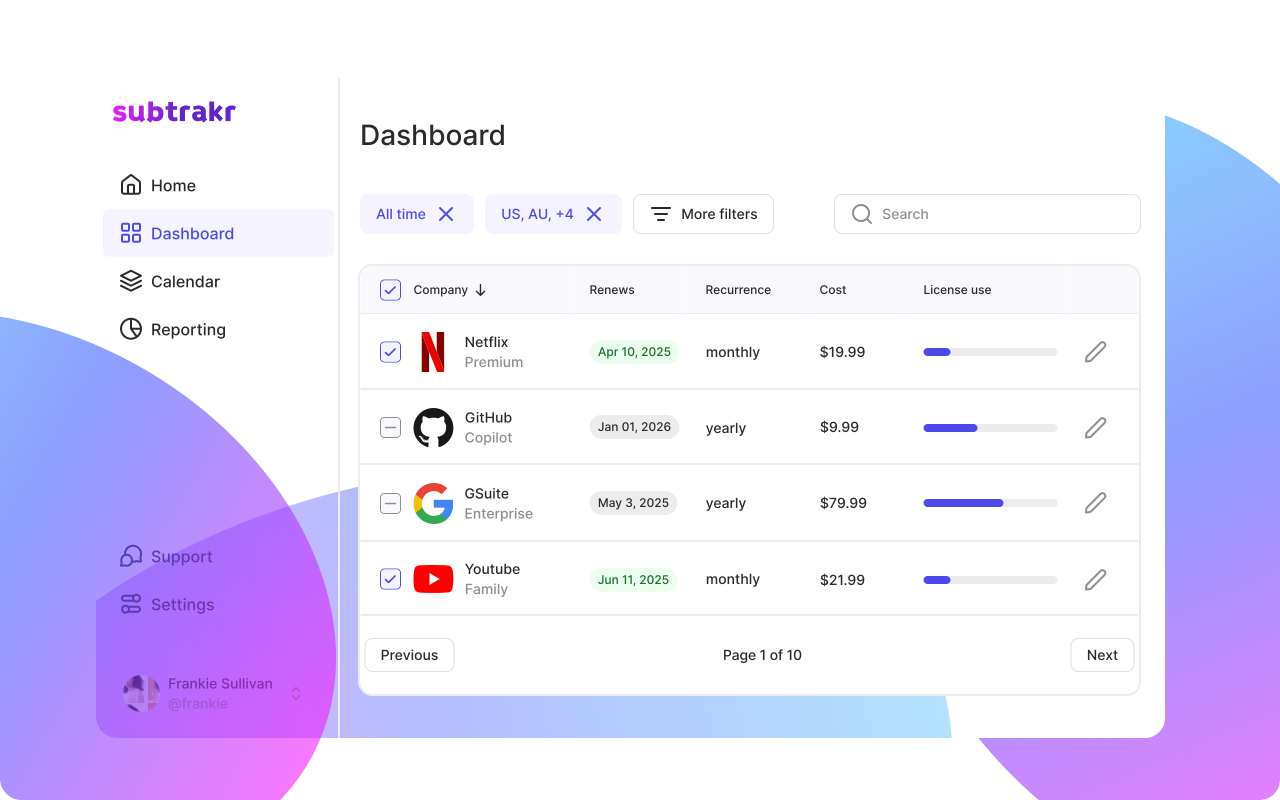
Use a subscription management app like Subtrakr to automatically detect recurring charges and consolidate them into one dashboard.
Step 2: Categorize and Tag Subscriptions
Once listed, categorize your subscriptions into buckets:
- Essential: Tools you use daily or that are vital to operations
- Useful: Nice-to-have tools that support your work
- Unused or Redundant: Tools you haven't used in weeks or that duplicate other tools
Tagging each subscription helps you quickly identify which ones might be cut or downgraded. If you want a dedicated taxonomy you can reuse across reviews, use Subscription Categories That Actually Work: A Tagging System for Clarity and Cuts.
Step 3: Audit Usage and Value
Ask yourself the following for each subscription:
- When was the last time I used this?
- Is there a cheaper or free alternative?
- Do I use all the features I'm paying for?
- Could I downgrade the plan without losing key functionality?
For SaaS tools, review account analytics or activity logs (if available) to determine actual usage. To rank underused tools consistently, calculate usage-to-cost ratio for each subscription and flag anything in the bottom quartile.
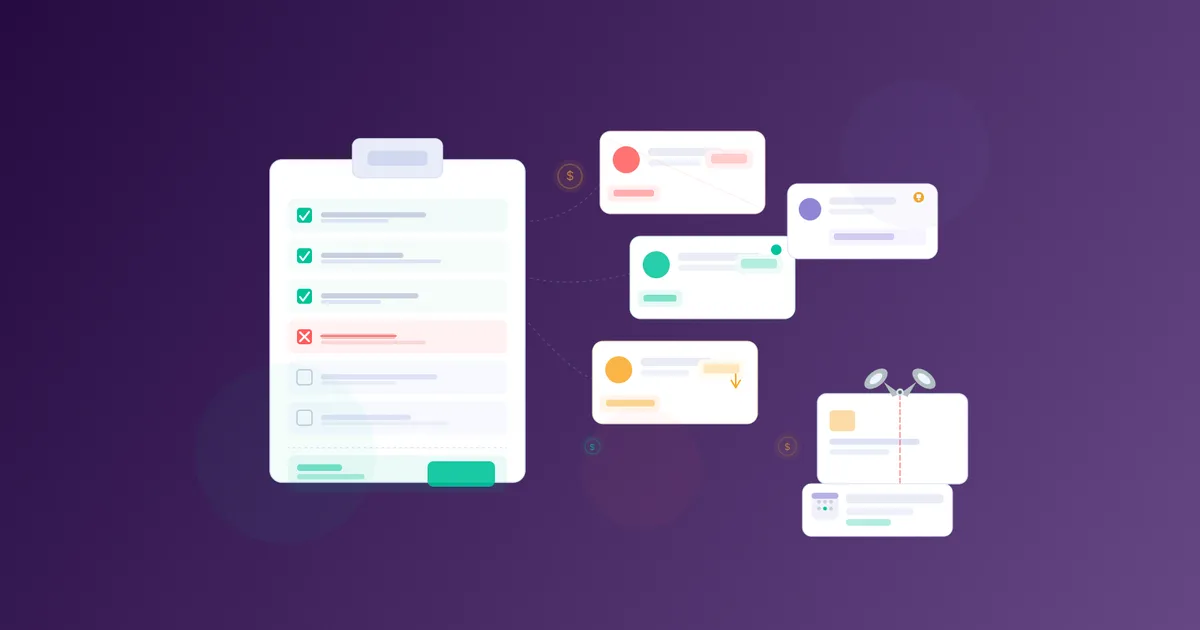
If you want a repeatable framework, use this recurring expense audit checklist as your monthly and quarterly decision guide.
Step 4: Cancel, Pause, or Downgrade
Based on your audit, take action:
- Cancel subscriptions you no longer use
- Pause subscriptions you may need again later
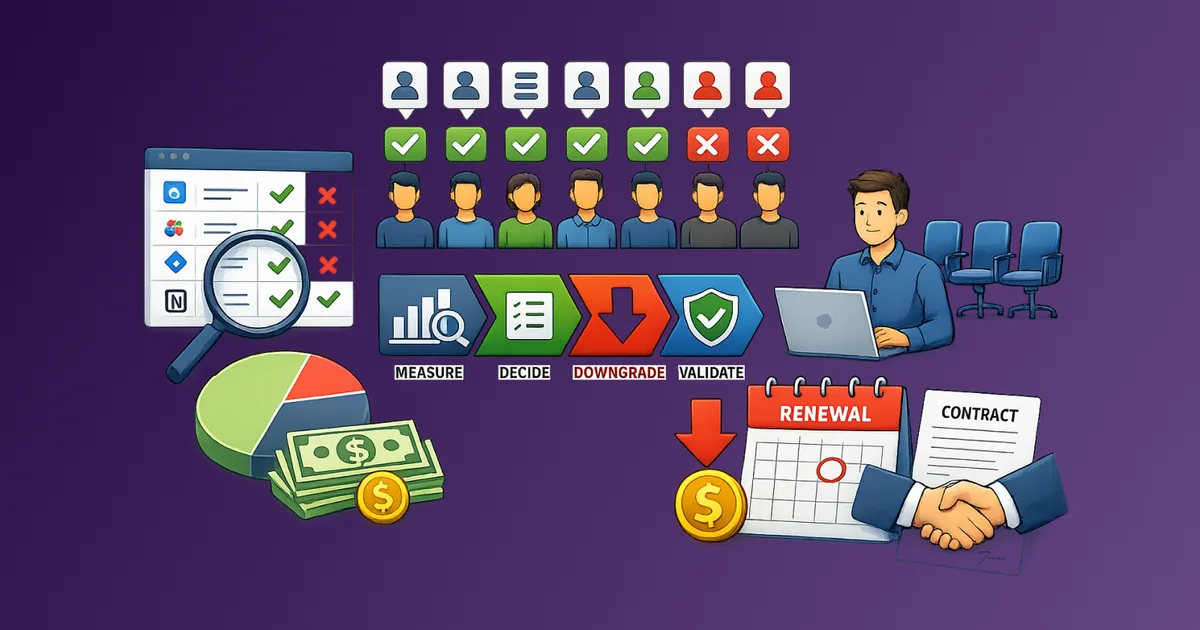
- Downgrade to a lower tier if your usage doesn't justify premium plans
Many providers offer discounts or retention offers when you try to cancel. Take advantage of these, but only if you truly plan to continue using the service. For SaaS plans specifically, pair downgrade decisions with a rightsizing pass so tier cuts do not break active workflows.
Step 5: Negotiate or Bundle
If you want to keep a tool but find it too expensive:
- Contact customer support and ask if they offer discounts for freelancers or small businesses
- See if annual billing comes with a better rate
- Consider bundling multiple tools from the same provider (e.g., Google Workspace)
Vendors are often more flexible than you'd expect, especially if you've been a loyal customer.
Step 6: Set Budget Alerts and Calendar Reminders
Avoid surprises by setting up:
- Recurring calendar reminders for annual renewals
- Email alerts for upcoming charges (if your tool allows it)
- Budget thresholds in your accounting or expense tracking software
This proactive layer of defense helps you catch creeping costs before they spiral.
Step 7: Review Regularly
Schedule a monthly or quarterly subscription review. Add it to your calendar and treat it like a financial health checkup. Use each review to reassess value, usage, and potential savings.
Treat this as a copy-ready workflow you can reuse every cycle.
Budgeting when your income varies
If your income changes month to month, a percentage framework can still help you keep recurring costs visible. For a conservative baseline and how that maps to 50/30/20 with subscriptions listed first, see The 50/30/20 Rule for Recurring Expenses: A Subscription-Friendly Version (especially the FAQ on variable income).
Final Thoughts
Subscriptions are powerful tools when managed properly. But unchecked, they can quietly chip away at your bottom line. With a bit of upfront effort and ongoing discipline, you can regain control over your recurring expenses, simplify your finances, and redirect your budget to what truly drives your business forward.
Ready to take control? Subtrakr helps you track, manage, and cancel subscriptions all in one place so you stay focused on your work, not your bills.