Quick answer
This case study draws from a real-world scenario documented in a recent analysis by Binadox. A startup managed to cut around 30% of their annual SaaS expenses by implementing regular subscription reviews, rightsizing licenses, migrating to usage-based pricing, and consolidating tools during growth, resulting in savings of approximately $240,000 per year.
This case study draws from a real-world scenario documented in a recent analysis by Binadox. A startup managed to cut around 30% of their annual SaaS expenses by implementing regular subscription reviews, rightsizing licenses, migrating to usage-based pricing, and consolidating tools during growth, resulting in savings of approximately $240,000 per year.
Stay Updated with Subtrakr
Sign up to our newsletter to get updates about Subtrakr and valuable insights about subscriptions and recurring expense management.
Background
The startup was experiencing rapid employee growth. With aggressive hiring came a surge in software subscriptions to support new team members. Tool requests were landing in inboxes without a consistent approval process, so some subscriptions entered the stack through verbal sign-offs or workaround purchases while official requests sat pending. Over time, the leadership noticed a sharp uptick in SaaS spending that outpaced operational efficiency, signaling potential waste.
Step 1: Visibility Through Quarterly Usage Reviews
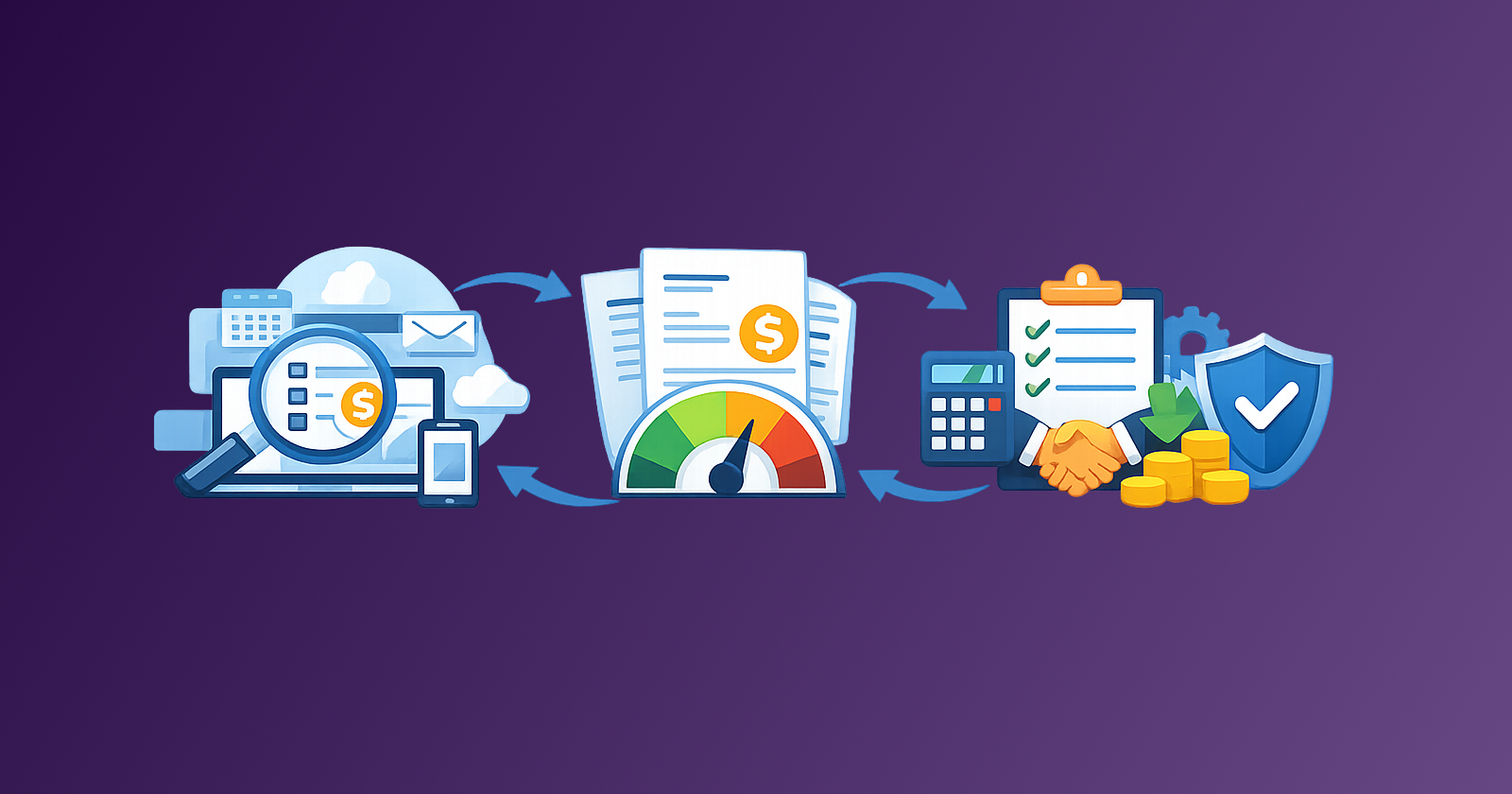
Understanding that proactive cost control is essential, the startup began conducting quarterly SaaS audits. They:
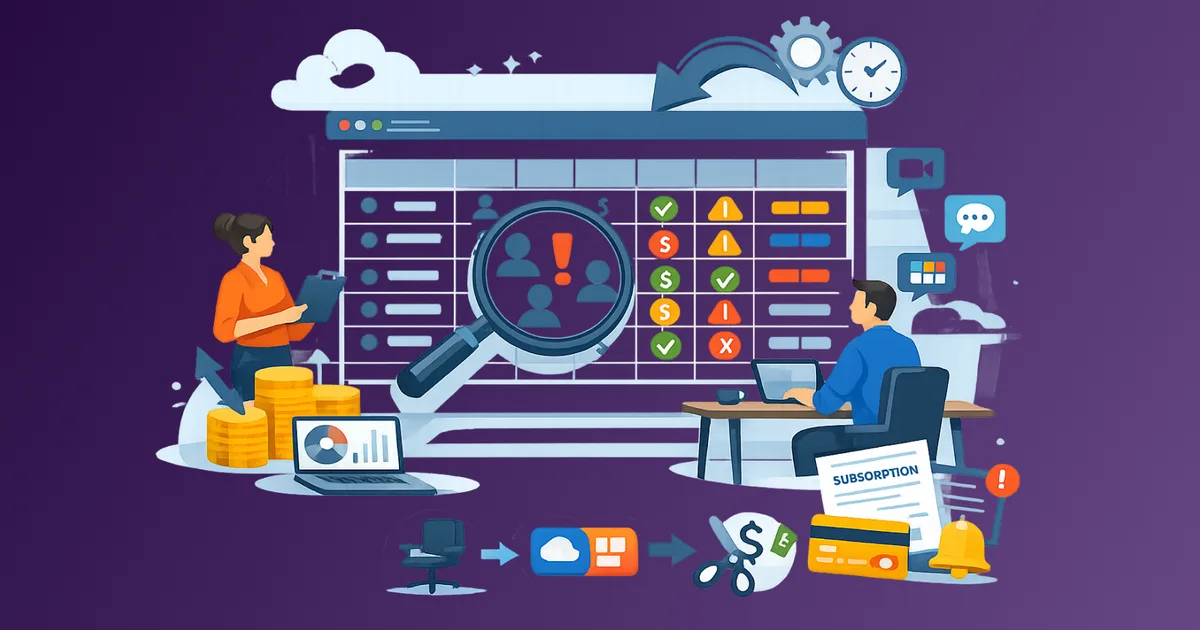
- Compiled all subscriptions via credit cards, invoices, and departmental expense systems
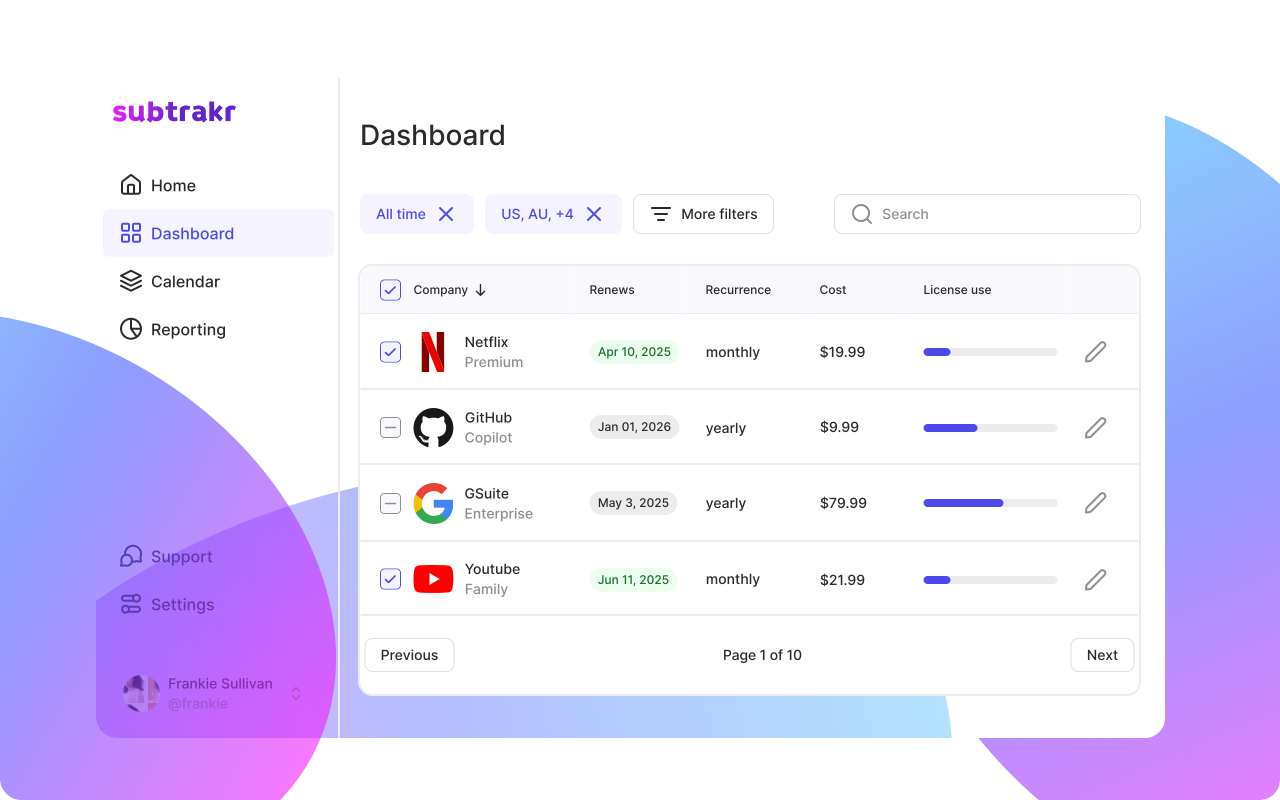
- Shared the curated list with all stakeholders in a central dashboard
- Matched tools to their core functions and user engagement levels
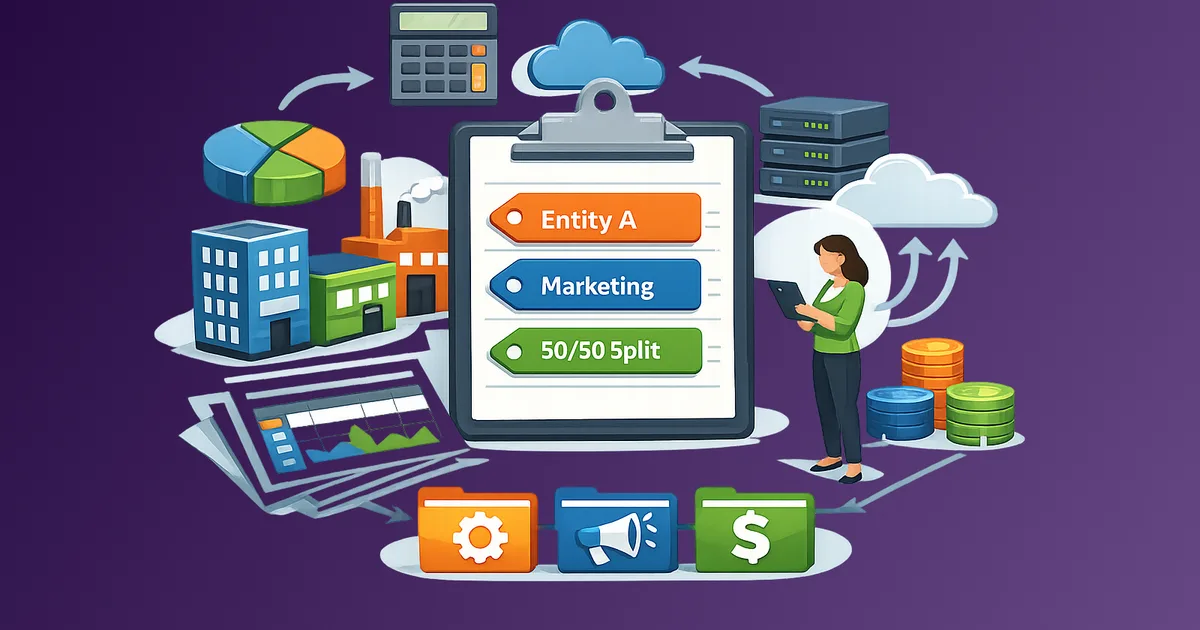
A structured tag taxonomy—entity, category, and allocation for shared tools—keeps that curated list compatible with how finance splits costs at close. See Finance-Friendly Tag Taxonomy for Multi-Entity Businesses for the setup that mirrors your chart of accounts.
To turn engagement data into a comparable ranking across tools, use Usage-to-Cost Ratio: The KPI Most Teams Miss. It gives you a simple usage score divided by monthly cost so underused subscriptions surface before renewal.
A pattern emerged, many licenses were going unused or underutilized, classic signs of SaaS bloat.
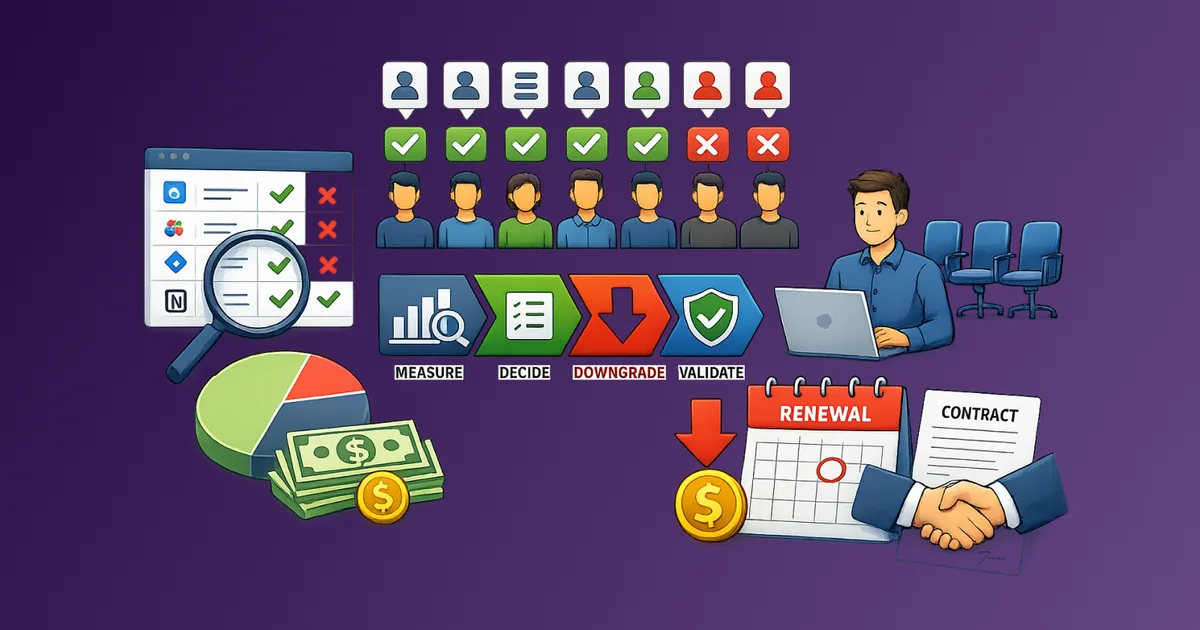
Step 2: Rightsizing and Cleaning Up
Armed with usage data, the startup took action:
- Canceled subscriptions that had gone dormant
- Downgraded plans where high-tier features were rarely used
- Consolidated overlapping tools, shifting from multiple specialist apps to unified platforms
These steps alone immediately slashed recurring costs.
If you want the exact repeatable framework behind this case, use the Subscription Audit for Small Businesses SaaS cost review template for startups.
Step 3: Transitioning to Usage-Based Pricing
For high-spend core tools that were essential yet expensive, the startup negotiated with vendors to transition from flat-rate licensing to usage-based billing. As their adoption fluctuated, billing became more aligned with actual usage, boosting flexibility and trimming costs.
The Outcome: ~30% SaaS Cost Savings
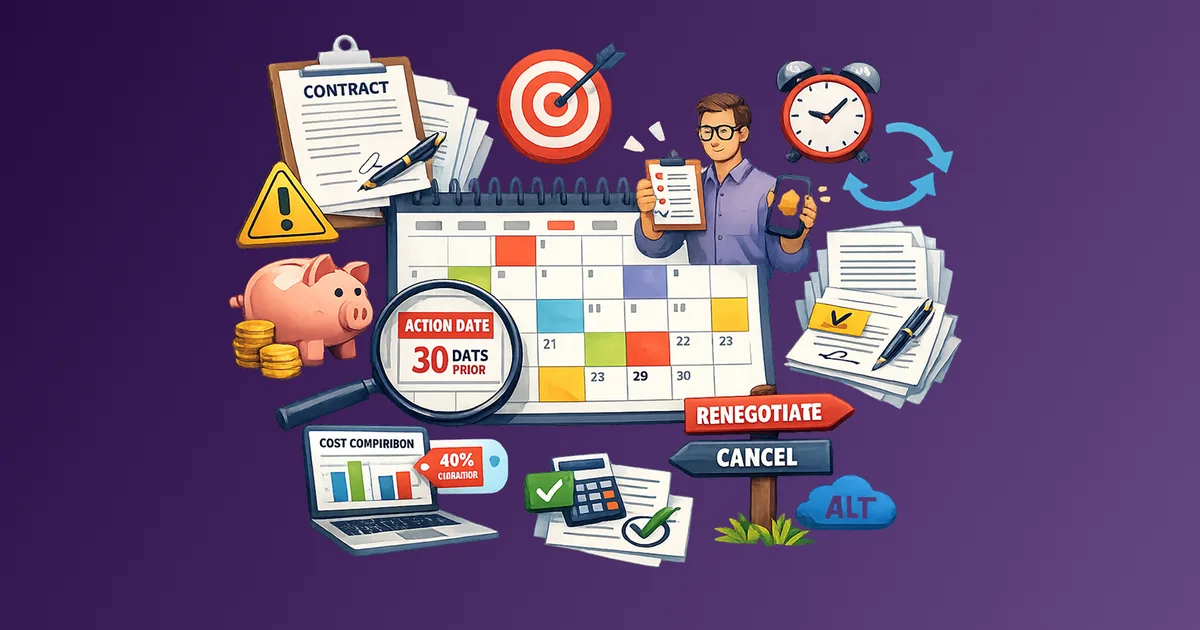
Operational discipline like this only works when renewals are visible on a schedule, not when contracts slip through on auto-renew. SaaS Renewal Calendar: Build One and Never Miss a Renegotiation Window shows how to systematize that review layer around notice windows and named owners.
Through this disciplined, data-driven approach, the startup achieved:
- A 30% reduction in SaaS spend throughout the year
- Annual savings estimated at $240,000
- Improvement in budget efficiency and greater stakeholder accountability
- A leaner tool approval flow that logged every new subscription at the point of approval, reducing the shadow spend that had been inflating costs before tools even reached the official stack
Lessons Learned & Actionable Takeaways
| Step | Strategy | Real Impact |
|---|---|---|
| Visibility | Conduct quarterly audits across all subscriptions | Identified tools with low utilization |
| Cleanup | Cancel unused subscriptions, downgrade over-provisioned plans | Reduced base SaaS spend |
| Rightsize | Consolidate overlapping apps | Streamlined tech stack |
| Reform Billing | Negotiate usage-based pricing for key tools | Aligned costs to actual usage |
| Overall Impact | 30% reduction in annual SaaS spending ($240K) | Enhanced financial control and efficiency |
Bottom Line
This case illustrates how intentional SaaS management, not just reactive budgeting, can yield major savings. Prioritized quarterly reviews—not treating every tool equally—drive most of the savings; a renewal risk heatmap shows how to rank contracts by spend, criticality, and deadline before you cut. To turn the same loop into a repeatable operating system, build a 90-day SaaS savings pipeline so each cycle compounds instead of starting from scratch.
For readers looking to replicate these results, here's how to get started:
- Tighten upstream procurement with a lean tool approval flow so every approved tool enters your registry before it starts billing.
- Evaluate new SaaS vendors before they enter your stack with a vendor scorecard so quarterly reviews start from fewer mistakes.
- Aggregate your SaaS subscriptions across all spend channels, then tag each one with entity, category, and allocation fields so the list maps cleanly to accounting.
- Review usage levels to flag unused or bloated services.
- Triage tools, cancel, downgrade, or consolidate.
- Negotiate contracts that allow usage flexibility.
- Institute quarterly audits to keep spend lean and intentional — ideally as stages in a 90-day SaaS savings pipeline.
The full analysis and additional case studies can be found in the comprehensive study by Binadox, which documents similar success stories across various enterprise organizations.