Quick answer
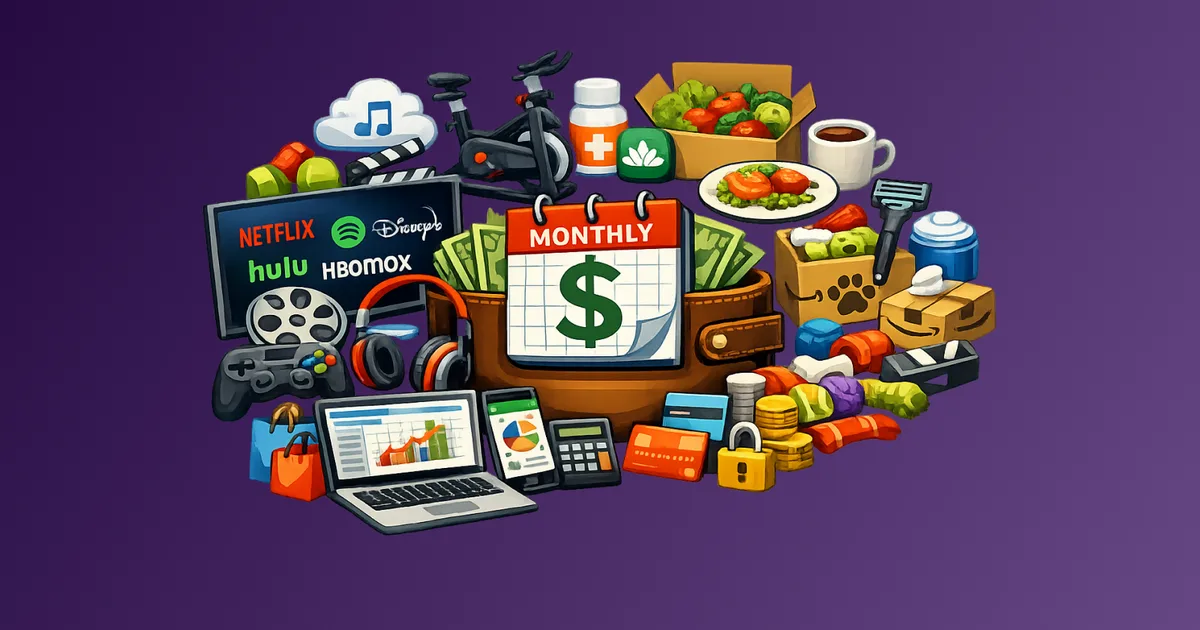
It wasn't long ago that subscriptions were mostly for magazines and cable TV. Now, the subscription sector has exploded – growing over 400% in the last decade – as businesses realize the goldmine of steady recurring revenue. From entertainment and fitness to food delivery and productivity tools, nearly everything has become a subscription. This article explores how the subscription economy has transformed our daily lives, the financial and mental impact of subscription stacking, and how to navigate this new normal.
The Rise of Subscription Everything
It wasn't long ago that subscriptions were mostly for magazines and cable TV. Now, "it seems like there's a subscription for everything". In fact, the subscription sector has exploded – growing over 400% in the last decade – as businesses realize the goldmine of steady recurring revenue. Nearly 75% of direct-to-consumer companies today offer some kind of subscription service. Why? Because it works. Subscription-based companies have grown about 3.7× faster than the S&P 500 over the past ten years. Instead of one-off sales, businesses from every industry are shifting to models that keep you paying monthly.
Stay Updated with Subtrakr
Sign up to our newsletter to get updates about Subtrakr and valuable insights about subscriptions and recurring expense management.
For companies, the appeal is obvious: predictable income, higher customer lifetime value, and a captive relationship with the consumer. Investors love it too – many startups are "incorporating subscription models… because investors are pushing for it". As Harvard Business School professor Elie Ofek notes, this trend has spread so far that "subscriptions are available for everything from dental floss to dog toys". In short, we've been conditioned to subscribe, and businesses are racing to lock in a portion of our budgets for the long haul.
Let's explore how this subscription takeover spans a wide range of industries, transforming our daily lives into a series of monthly fees.
Entertainment: From Cable Cutting to Subscription Stacking
We first felt the subscription shift in entertainment. When streaming video hit the scene, millions dropped cable for Netflix's monthly plan. Fast forward, and cutting the cord led to subscription stacking: Netflix, Hulu, Disney+, Amazon Prime Video, HBO Max – the list keeps growing. The average household now subscribes to about 4–5 video streaming platforms, shelling out roughly $40–$50 per month on streaming alone. What started as a cheaper cable alternative has morphed into a new kind of bundle; nearly 47% of consumers worry that paying for multiple streaming services might end up more expensive than old-school cable.
If you want a consumer-side counter-strategy to this stacking dynamic, use a quarter-by-quarter subscription rotation plan that enforces one-in, one-out platform swaps. For a category-level guardrail that resists platform stacking pressure before it compounds, use Envelope Budgeting for Subscriptions: A Simple Way to Stop Subscription Creep.
Music and gaming have followed suit. Gone are the days of buying CDs or individual albums – now it's Spotify, Apple Music, or YouTube Premium on auto-pay (around $10–$11 a month each). Most Americans pay for at least one music streaming service. Video games, too, are embracing subscriptions: Xbox Game Pass or PlayStation Plus give unlimited access to game libraries for a monthly fee. Even news and books have joined in, with digital newspaper paywalls and services like Audible or Kindle Unlimited offering endless content for a monthly charge. In short, entertainment has fully become an "as-a-service" model, trading ownership for on-demand access.
Big players: Netflix ($15/month), Disney+ ($8), HBO Max ($15), Spotify ($11), Apple Music ($11), Xbox Game Pass ($17). And don't forget Amazon Prime at ~$15/month – which not only gives you streaming video/music but also free shipping and other perks, making it a mega-subscription that 2 out of 3 U.S. households have in their stack.
Fitness & Health: Workouts and Wellness by Subscription
The subscription invasion extends to our bodies and minds. Gyms have long had monthly memberships, but now fitness tech companies have leveled up the game. Take Peloton: buying the bike or treadmill is just the start – the real magic (and revenue) is in the $40+ per month All-Access membership for live classes and workout programs. (Peloton's subscription ecosystem has been so successful that it became a model for others.) Not into cycling? You can subscribe to countless fitness apps: Apple Fitness+ for guided workouts ($10/month), Strava for training analytics, or niche programs like yoga, boxing, and dance apps – all with recurring fees.
Health and wellness are no exception. Meditation and mental health apps like Calm and Headspace charge around $15 monthly for premium mindfulness content. Want personalized diet support or nutrition tracking? There are paid subscriptions for that (e.g. MyFitnessPal Premium at $10/month). Even high-tech wellness gadgets come with plans: the Oura Ring and Whoop fitness band require memberships to unlock their full health insights. And telemedicine has entered the chat – some primary care and mental health services (like One Medical or Talkspace) use monthly membership models for on-demand access to doctors or therapists.
Big players: Peloton App/All-Access (~$13–$49/month tiers), Apple Fitness+ ($10), Fitbit Premium ($10), Calm ($15), Headspace ($13), ClassPass (credits-based subscription for studio classes). The result? Staying healthy now often means juggling a handful of subscriptions for your body and mind.
Food & Lifestyle: Dinner, Groceries, and More on Autopilot
Dinner by subscription? It's a thing. Meal kit services like HelloFresh, Blue Apron, and Home Chef deliver weekly recipe boxes to your door for a monthly sum that rivals a utility bill. For example, a typical HelloFresh plan (around 3 meals per week for two people) can cost roughly $60+ per week, or about $240+ per month for the convenience of not grocery shopping. These meal subscriptions boomed by promising fresh ingredients and new recipes on tap – effectively turning cooking into another subscription service.
Food delivery apps have also jumped in with memberships. If you use DoorDash or Uber Eats frequently, there's DashPass or Uber One (~$10/month) to get free deliveries and discounts. Coffee addict? Subscribe to monthly coffee bean clubs or even fast-food coffee (Panera Bread famously offered unlimited coffee for ~$9 a month). Cooking not your thing at all? Companies like Freshly or Factor will send prepared meals on a weekly subscription.
Beyond food, many everyday "consumables" now push subscriptions. Need new razor blades, pet food, or vitamins? Join the club – literally. Services such as Dollar Shave Club (razors), BarkBox (monthly dog treats/toys), and Vitamin packs (personalized supplement subscriptions) have turned mundane shopping into a recurring relationship. It's all about locking in that monthly spend. As one industry observer quipped, the subscription economy isn't just for software anymore – "from dog food to razors, coffee to cosmetics, smart businesses [across every industry] are going for subscriptions".
Big players: HelloFresh (plans averaging $240+ per month for weekly kits), Blue Apron (similar pricing), DoorDash DashPass ($10), Amazon Subscribe & Save (varies, but encourages you to put household staples on auto-delivery). Even toothbrushes (Quip) and swimsuits (Speedo's Swim Coach program) have subscriptions – proving no product is too unexpected for this model.
Productivity & Personal Finance: Subscriptions at Work (and On Your Wallet)
Even your work tools and money management have joined the subscription surge. Remember when software came in a box or a one-time download? Now it's all about SaaS (software as a service). Microsoft Office is now Microsoft 365, which runs about $10 a month for personal use. Adobe's Creative Suite (Photoshop, etc.) moved to a subscription-only model as well, with plans ranging from ~$10 up to $55 per month for all apps. Cloud storage? If you need more space on Google Drive, iCloud, or Dropbox, that's another few bucks every month. Millions of us pay $2–$10 monthly for extra gigabytes to store our photos and files.
Productivity apps large and small also seek a bite of your budget. Notion, Evernote, Todoist – many offer premium tiers for a monthly fee. The result is that staying "organized" comes with a continuous price tag.
And yes, even personal finance itself has subscriptions. It's a bit ironic: you might subscribe to an app to help you save money. Budgeting tools like You Need A Budget (YNAB) charge around $15/month (or ~$100/year), promising to improve your financial habits. Premium credit monitoring or identity theft protection services (LifeLock, for example) ask for monthly fees to keep an eye on your accounts. Brokerage and investing platforms offer subscription add-ons for research or higher trading tiers. In short, managing your money or office work now often involves its own bundle of recurring charges.
Big players: Microsoft 365 (~$10/month personal), Adobe Creative Cloud ($20–$55, depending on plan), Google Workspace/Drive ($6–$12 for upgraded plans), Zoom Pro ($15), YNAB ($15), QuickBooks Online (plans from ~$30/month for small businesses). The era of one-time software purchases is fading; everything is continuously updated – and continuously billed.
The Subscription Stack: How an Average Month Adds Up
So, what does all this look like for a typical consumer? It's easy to lose track of how many services you've signed up for until you list them out. Here's an example subscription stack for an everyday individual (let's call her Jane) and the ballpark monthly costs:
| Category | Subscription Service | Monthly Cost |
|---|---|---|
| Entertainment (Video) | Netflix (Standard Plan) | ~$15 |
| Entertainment (Music) | Spotify Premium | ~$11 |
| Shopping/Shipping | Amazon Prime | ~$15 |
| Productivity | Microsoft 365 (Office apps) | ~$10 |
| Fitness | Gym Membership | ~$30 |
| Wellness | Calm (meditation app) | ~$15 |
| Food Delivery | HelloFresh (meal kits, weekly) | ~$240 |
| Total (Approx.) | Combined Monthly Spend | ~$336 |
In one month, Jane might get her streaming fix from Netflix, enjoy unlimited music on Spotify, leverage free shipping (and video) via Amazon Prime, use Microsoft 365 for her personal productivity, hit the gym (with a membership fee), relax with guided meditations on Calm, and have HelloFresh meal kits arriving each week for dinner. Altogether, that's around $300+ per month in subscription charges – a sizable chunk of her salary.
Not everyone's stack is exactly the same, of course. You might not have all these services simultaneously (and many people swap HelloFresh in and out, or pause it). But plenty of consumers have a similar multi-subscription lineup. In fact, surveys show the average American has about 12 paid subscriptions. It adds up fast: media and entertainment, daily living conveniences, digital tools, and more, all silently charging your credit card each month.
Financial and Mental Bandwidth: These recurring costs don't just hit your wallet; they occupy headspace too. That moment when you see a bank statement and realize you're still paying for an app you forgot about – it's common. Roughly 42% of consumers admit they've forgotten about at least one subscription they're paying for. About 3 out of 4 people say it's easy to lose track of recurring charges because many subscriptions are set on autopilot. Little wonder a significant number of people (22% in one survey) feel overwhelmed by the sheer number of services they're subscribed to. Keeping tabs on dozens of small monthly bills has become a new form of mental clutter.
Your Paycheck as the New Battleground
With so many subscriptions in our lives, companies are literally fighting for a share of your salary each month. Consumers' budgets aren't unlimited – there's only so much one can spend on subscriptions before the well runs dry (or the credit card maxes out). This has turned into a competitive battlefield: entertainment platforms compete with each other and with fitness apps, meal kits, and every other service for that $10 or $20 slice of your paycheck. Think of your monthly budget as a pie – and every service is scrambling for a piece.
For the consumer, this means subscription fatigue is setting in. We all love convenience and quality content, but at some point the pile of monthly fees becomes too much. Industry analysts have even coined terms like "subscriptionitis" to describe this overload. The backlash is brewing: in one poll, 71% of Americans said they want to cut down their subscription spending. In fact, about one-third of consumers planned to trim their number of subscriptions in the near term, likely prioritizing those that deliver real value and canceling the rest.
Businesses are aware of this fatigue. They know they can't all win a spot in your monthly roster, so they're doubling down on value (or at least trying to). The "battle for retention" is intense – companies offer bundles, exclusive content, and loyalty perks to justify sticking around on your statement each month. For example, Disney now bundles Disney+ with Hulu and ESPN+; Amazon keeps adding perks to Prime; gyms add online classes to keep you from canceling in summer. It's all aimed at defending their territory in your subscription budget.
Meanwhile, some missteps have shown what consumers won't tolerate. Case in point: BMW made headlines by attempting to charge drivers $18 per month to use the heated seats already installed in their cars – and faced swift backlash. The message was clear: not everything should be a subscription, and customers know when a fee feels like a greedy grab. Companies venturing into subscriptions have to tread carefully or risk alienating us.
Navigating the Subscription Economy
As subscriptions continue to seep into every corner of life, we're all learning how to navigate this new normal. On one hand, it's amazing – for a relatively small fee, you can have virtually unlimited music, a library of movies, boutique fitness classes at home, fresh meals pre-portioned for cooking, and the latest software always updated. Subscriptions spread out big costs into manageable bites and bring convenience to our doorstep. In many ways, it's the golden age of on-demand everything.
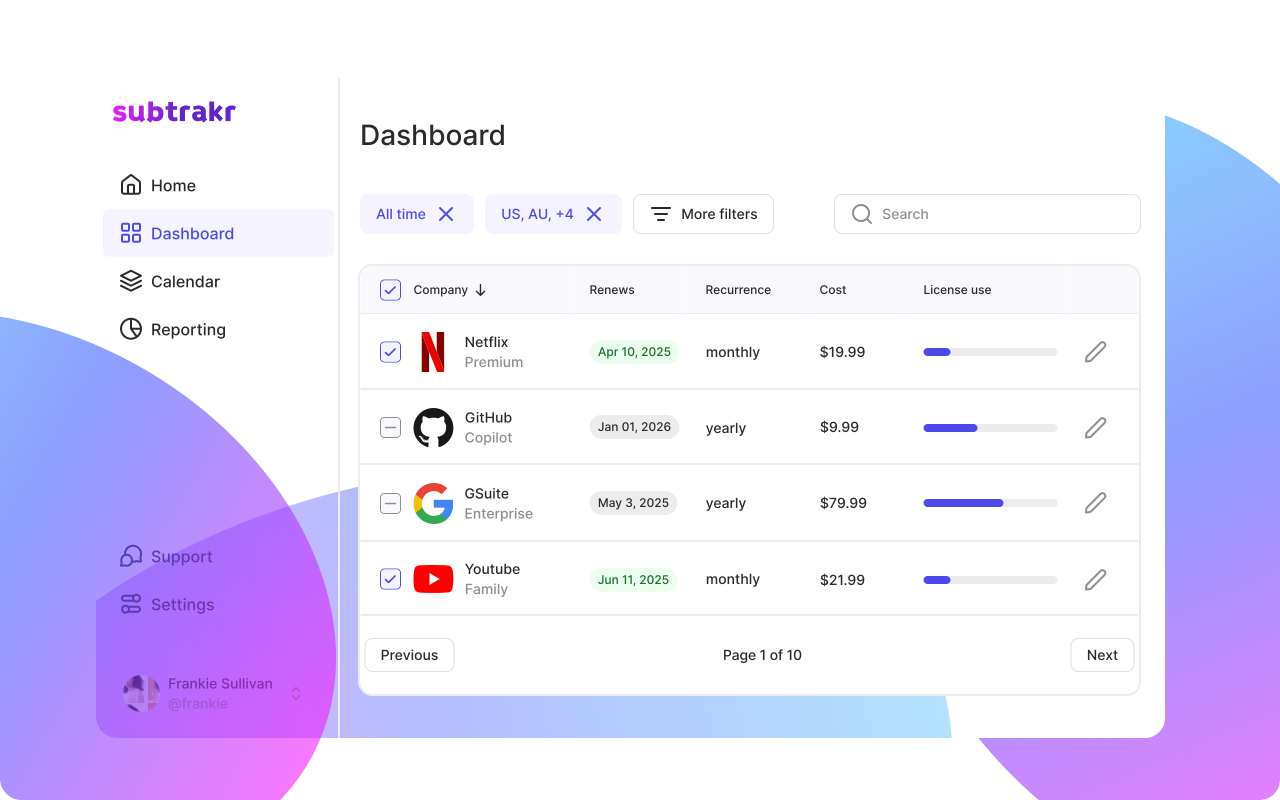
On the other hand, those bites add up. What feels like "only $9.99 here, $12.99 there" can snowball into hundreds of dollars a month leaving your account. The collective financial and mental weight of juggling myriad services is something consumers have to reckon with. The key is finding the right balance – being selective about which subscriptions truly enrich your life, and being mindful of the ones you've forgotten or outgrown. Tools like subscription trackers (e.g. Subtrakr, or budgeting apps) can help give a snapshot of your recurring charges, so you don't get caught by surprise.
In this battle for your wallet, awareness is your best defense. Companies will keep innovating (and marketing) to win your monthly dollars – from bundling services to offering free trials that rope us in. By keeping an eye on your own "subscription stack" and culling the herd when needed, you can enjoy the conveniences of this subscription era without letting it drain your bank account or overwhelm your mind. After all, subscriptions should work for you, not the other way around.
Bottom line: The subscription economy isn't slowing down – if anything, it's multiplying. Our salaries have become the new terrain on which businesses compete, one monthly charge at a time. As consumers, being conscious of this trend is the first step in making smarter choices. So go ahead and stream, sweat, eat, and work via subscriptions – just remember to occasionally audit your services, trim the excess, and ensure each recurring payment is still bringing you joy or value. In a world where "everything today is a subscription", a little savvy can help you keep your financial life sustainable and your sanity intact.
Sources
- C+R Research – Subscription Service Statistics and Costs (2022 survey) - https://www.crresearch.com/blog/subscription-service-statistics-and-costs/
- SubBuddy – Average American Spends $273/Month on Subscriptions (2024 study) - https://subbuddy.io/blog/posts/average-american-subscription-waste-273-per-month
- Harvard Business School (HBS) – Subscription Fatigue & the Subscription Economy (2023) - https://www.library.hbs.edu/working-knowledge/with-subscription-fatigue-setting-in-companies-need-to-think-hard-about-fees
- Recurly – The Subscription Model: Future of Commerce (2025) - https://recurly.com/blog/subscription-business-model
- HFB Technologies – "From dog food to razors, coffee to cosmetics..." (2025) - https://hfbtechnologies.com/turning-one-time-buyers-into-subscribers-the-art-of-building-predictable-revenue
- Retail Dive – Peloton Membership Pricing (2025) (example of fitness subscription model) - https://www.retaildive.com/news/peloton-raises-membership-pricing-holidays/761567