Quick answer
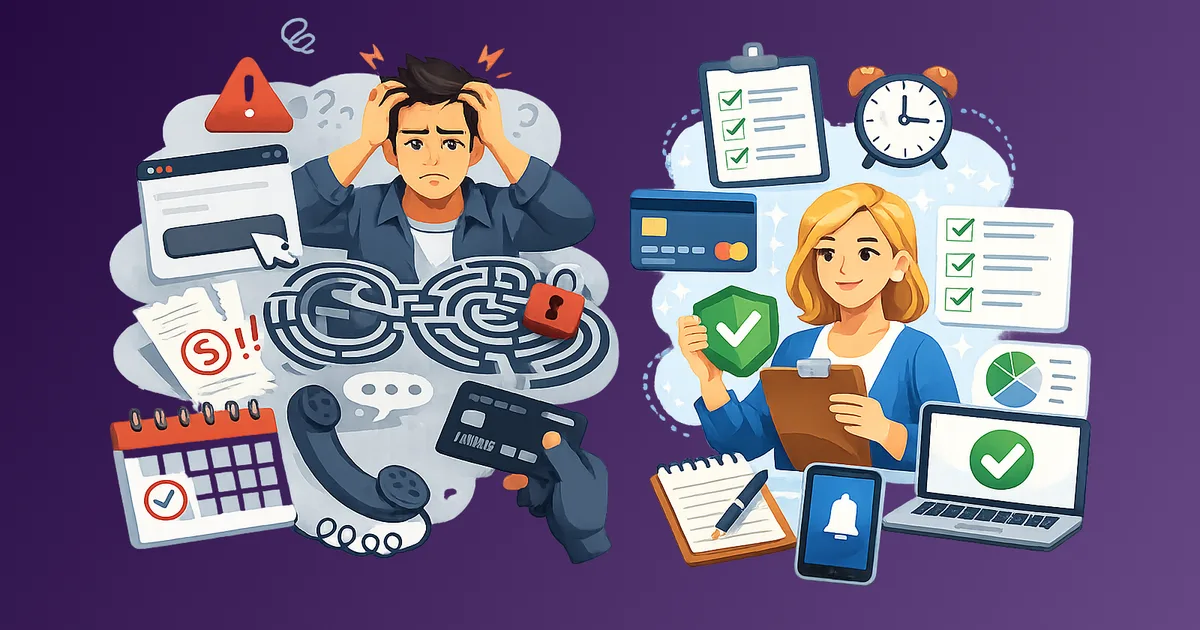
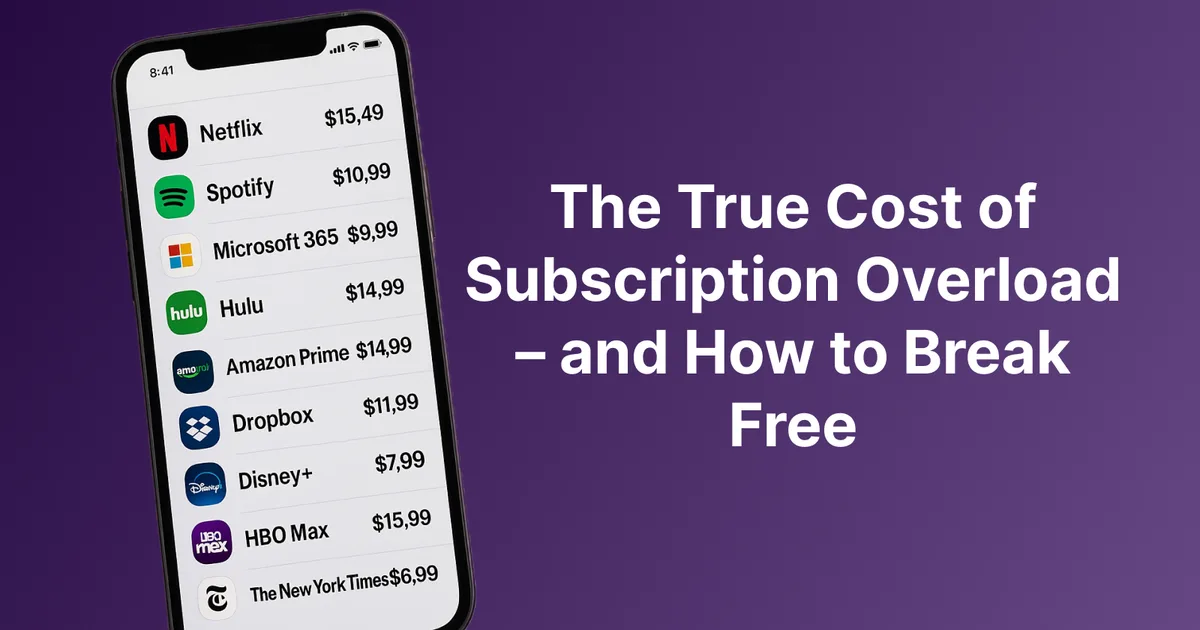
It started with a $7.99 charge from an app I hadn't used in months. I shrugged it off, until I saw another. Then another. By the time I took a serious look at my bank statements, I'd uncovered over $400 a year slipping through the cracks.
It started with a $7.99 charge from an app I hadn't used in months.
Stay Updated with Subtrakr
Sign up to our newsletter to get updates about Subtrakr and valuable insights about subscriptions and recurring expense management.
I shrugged it off, until I saw another. Then another. By the time I took a serious look at my bank statements, I'd uncovered over $400 a year slipping through the cracks. Gym memberships I never visited, SaaS tools I stopped using, a streaming service I only subscribed to for one show… All quietly draining my wallet.
Sound familiar?
I'm not alone, and neither are you.
Subscription Fatigue: A Modern Problem
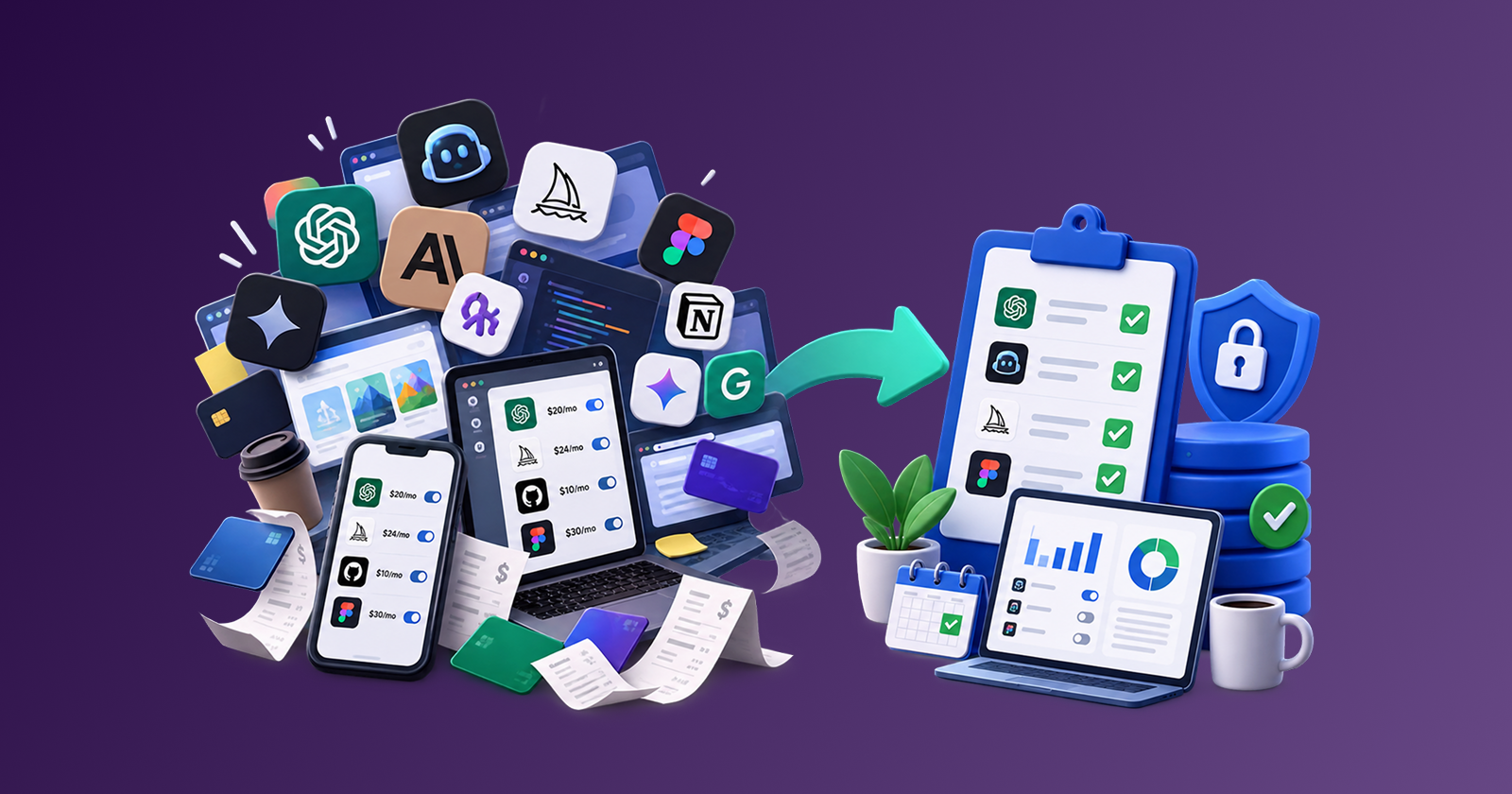
We live in the golden age of subscriptions. Music, movies, meal kits, digital tools, meditation apps, newsletters, and now AI chatbots. Almost everything today is a recurring charge. The model is convenient and scalable for companies. On a team card, those $20 AI seats multiply into AI tools sprawl unless someone owns the list.
But for consumers, it's a double-edged sword.
According to a survey by C+R Research, the average person underestimates their monthly subscription spend by $133. Another report by Self.inc found that over 85% of people lose track of at least one active subscription.
Why does this happen?
The Psychology Behind It
The subscription economy thrives on a few powerful psychological levers:
- The "free trial" trap: We sign up intending to cancel, but forget.
- Low-friction signups: One-click joins, but ten-step cancellations.
- Tiny charges: $4.99 here, $9.99 there, it all feels negligible… until it's not.
- Out of sight, out of mind: Once billed, we don't "see" the money again, especially with auto-pay.
- Inertia: We mean to cancel, but "I'll do it later" becomes never.
Meanwhile, companies optimize for retention, not transparency. Hidden renewal dates, confusing cancellation flows, even guilt-inducing language ("Are you sure you want to cancel?") are common tactics. Those tactics are part of the broader world of subscription dark patterns, where interface design is used to turn behavioral inertia into recurring revenue.
This isn't just a money leak, it's a cognitive one. It adds clutter to your mental bandwidth and chips away at your financial clarity.
How I Took Control (And How You Can Too)
After my subscription wake-up call, I started a personal ritual: a quarterly subscription audit. Every 3 months, I:
- Downloaded my bank and credit card statements.
- Highlighted all recurring charges.
- Asked: "Do I still use this? Is it worth it?"
- Canceled what wasn't serving me.
I also began negotiating prices for services like internet and phone, something many don't realize is possible.
The process was empowering, but time-consuming. If you want a structured version of that ritual without clearing a weekend, the Mid-Year Subscription Reset: 7-Day Execution Plan breaks the same work into seven 15-to-30-minute daily tasks. If you review recurring spend with a team, the no-blame spend review meeting format turns that ritual into a structured 30 to 45 minute session with clear keep, cancel, downgrade, or renegotiate outcomes. On a shared card or a team stack, forgotten charges are often ownerless charges: assign one accountable name per tool with a spend ownership matrix.
That's part of why I'm now building Subtrakr, a tool to help others do this automatically.
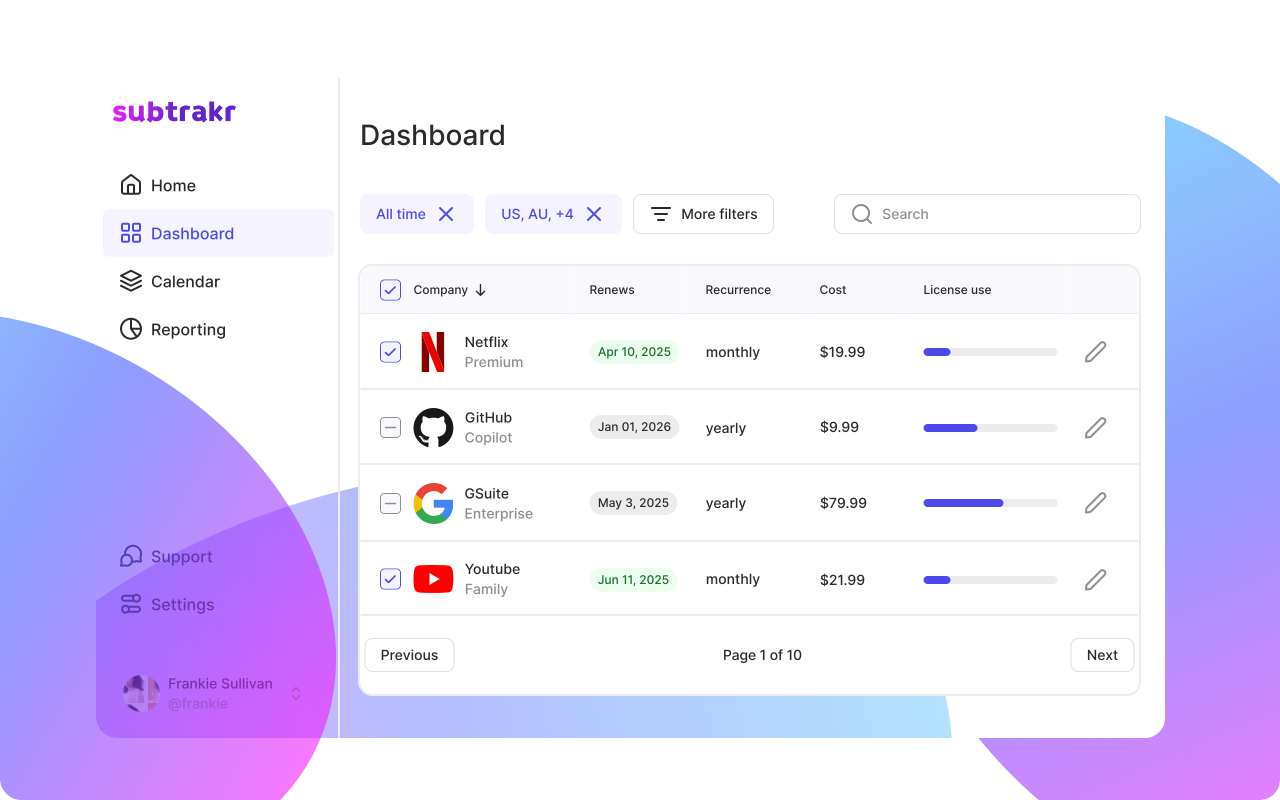
Subtrakr scans your accounts, surfaces forgotten subscriptions, and gives you the power to cancel or manage them all in one place.
Because taking control of your subscriptions shouldn't require a spreadsheet and a weekend.
Subscriptions Are Great – Until They're Not
Don't get me wrong, I love subscriptions. They bring access, convenience, and flexibility. But only when you're in control.
When subscriptions pile up unnoticed, they turn from conveniences into quiet financial drains. Reclaiming that control is one of the simplest, most effective ways to improve your financial health and peace of mind.
It's a small habit with a big payoff.
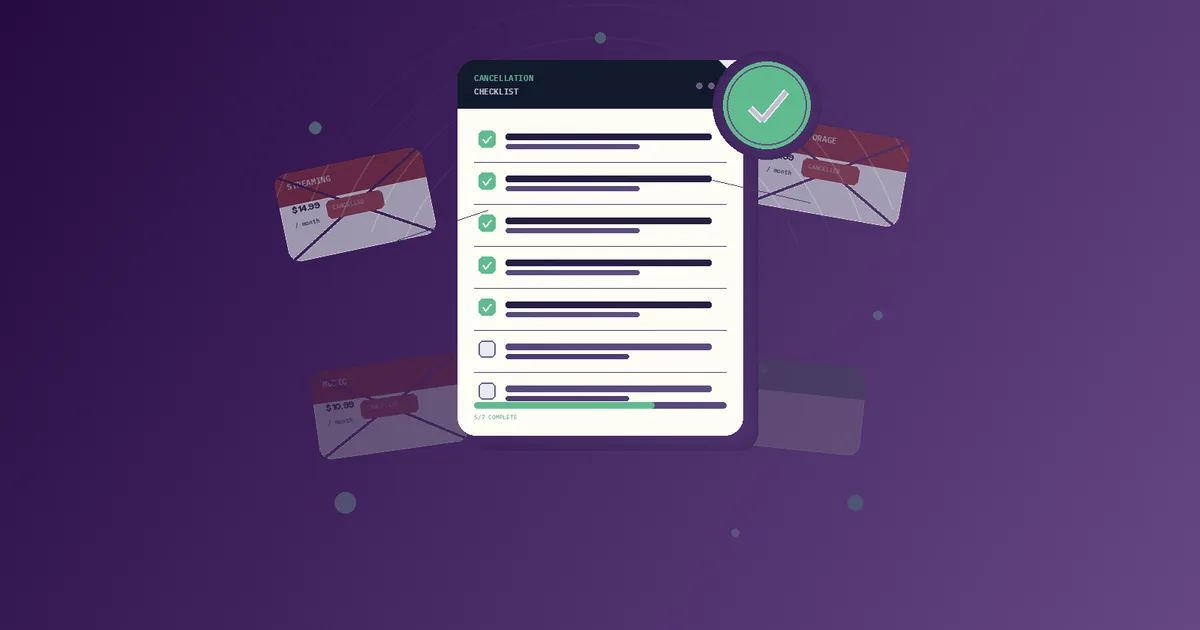
If you are ready to act immediately, use this step-by-step cancellation checklist as your next move after identifying waste.
If most of your overspend is streaming stack creep, apply a subscription rotation strategy so one platform comes in only when another goes out.
I'd love to hear from you: How do you keep track of your subscriptions? Have you ever had a "forgotten charge" moment? Drop a comment or DM, let's trade notes.
And if you're curious about Subtrakr, I'd be happy to give you early access.
Let's beat subscription fatigue, together.