Quick answer
A spend ownership matrix is a simple table that names, for every subscription, who decides keep or cancel, who does the admin work, who must be asked first, and who only needs to be told. Use one accountable owner per tool. If you cannot name that person in ten seconds, the subscription is ownerless: reassign it or cancel it before the next renewal.
Most subscription waste is not a pricing problem. It is an ownership problem. A tool gets approved, the person who clicked "Start trial" moves on, finance keeps paying, and nobody can say who is allowed to cancel it. By the time the charge looks wrong, the renewal already went through.
Stay Updated with Subtrakr
Sign up to our newsletter to get updates about Subtrakr and valuable insights about subscriptions and recurring expense management.
This is a RACI-style model stripped down for recurring spend. Small teams use all four roles. Households and freelancers can run a thinner version: one named owner plus a payer note.
What Is a Spend Ownership Matrix?
A spend ownership matrix is a living list of subscriptions with named roles attached to each one. It answers one question: if this charge renews next month, whose job is it to say yes or no? It is not an org chart or a procurement policy. It is a lookup table you open in a spend review meeting to stop debates that start with "I thought you owned that."
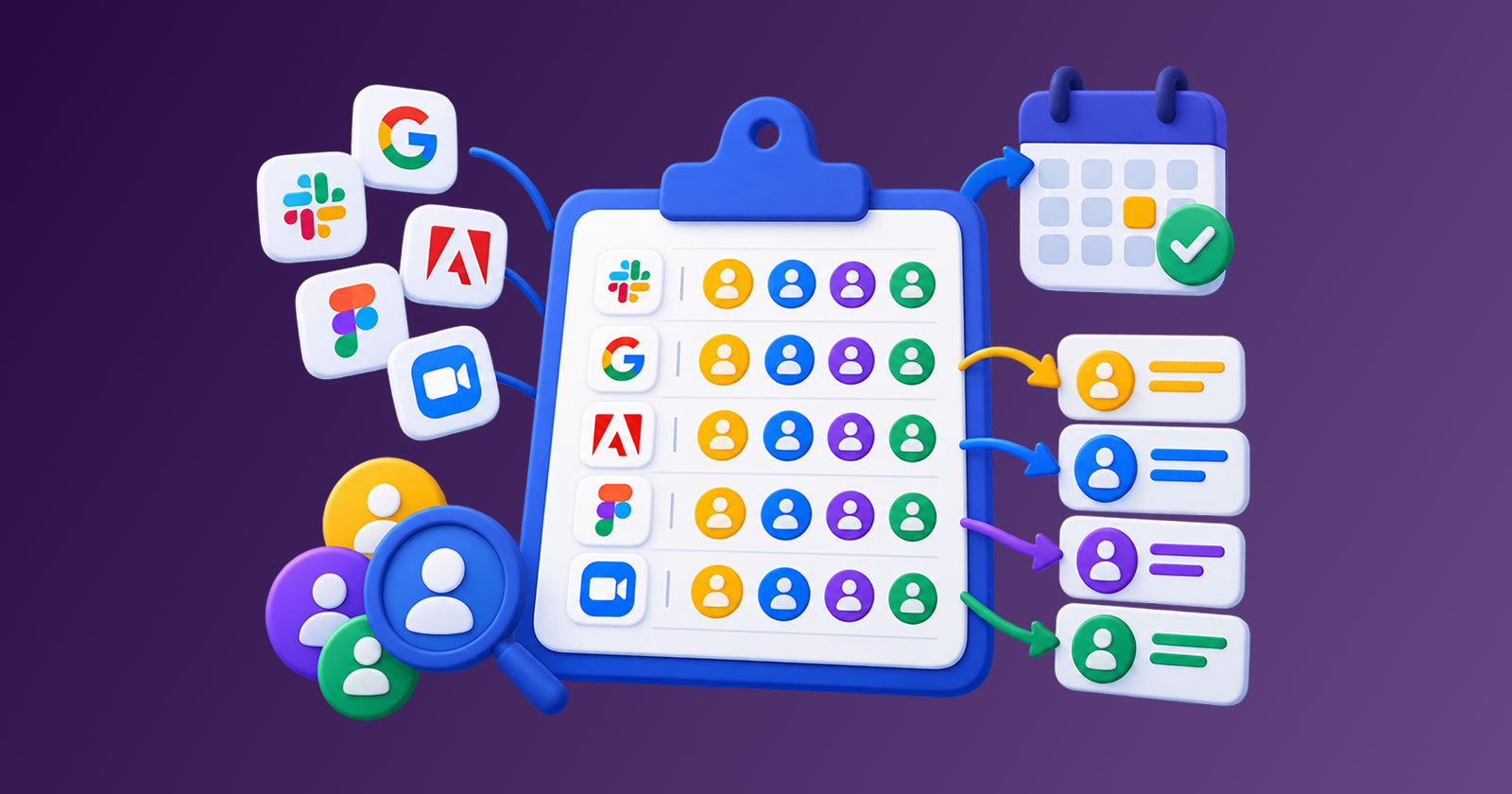
The matrix has four roles, borrowed from the classic RACI model and rewritten in plain language:
| Role | Plain meaning | What they do for a subscription |
|---|---|---|
| Accountable (A) | The decision owner | One person who can keep, cancel, downgrade, or renew |
| Responsible (R) | The admin | Manages seats, vendor login, invoices, and cancellation steps |
| Consulted (C) | People you ask first | Security, the team that uses the tool, or a household co-user |
| Informed (I) | People you tell after | Finance, the cardholder, or anyone who needs the outcome on record |
The non-negotiable rule: exactly one Accountable name per subscription. Two Accountable names is the same as zero. Shared use is fine. Shared final say is how tools become ownerless.
Why Do Subscriptions Become Ownerless?
They become ownerless when buying is easy and assigning a keeper is optional. That is how subscription overload shows up on a team card: lots of reasonable yeses, no named person left holding the "still worth it?" question.
The usual paths:
- The buyer left. A contractor, intern, or former teammate started the trial. Their seat is gone. The billing is not.
- The payer is not the user. A founder’s card pays for a design tool nobody in finance uses, so the charge looks normal and the value is never checked.
- Everyone uses it, so nobody owns it. Shared inboxes, shared streaming, shared project tools. Use is distributed. Authority is not.
- Two people each assume the other owns it. Couples do this. Cross-functional teams do this. Both versions auto-renew.
- It was "temporary." A project tool, a recruiting add-on, a one-campaign analytics plan, or an AI trial on a personal card. Temporary spend without an end owner becomes permanent spend.
- The company owns it. "The company" cannot cancel a subscription. A named human can.
If your recurring expense audit keeps finding the same forgotten tools, you do not need a longer checklist. You need names.
How Does a RACI Model Work for Subscriptions?
Classic RACI was built for projects. Subscriptions need a narrower version because the work is a repeating decision: keep paying, or stop.
Accountable is the only role that can approve the next charge. They do not have to click cancel themselves. They do have to make the call. Pick the person who would feel the pain if the tool disappeared tomorrow, not the person who happened to have a card handy.
Responsible can log into billing, remove seats, export data, and complete a cancellation. On a five-person team this is often the same person as Accountable. On a larger stack, ops holds Responsible while department leads stay Accountable.
Consulted speaks before a keep or cut: the heaviest user, security for identity tools, or the other adult on a household plan. They flag breakage. They do not get a veto by default.
Informed is the paper trail: finance, the cardholder, and anyone who should not learn about a cut because a login failed on Monday.
| Subscription | Accountable | Responsible | Consulted | Informed |
|---|---|---|---|---|
| Design suite | Head of design | Ops | Senior designer | Finance |
| Company email / identity | Ops lead | Ops lead | Founder | All staff |
| CRM | Head of sales | Ops | Sales lead | Finance |
| Household streaming | Alex | Alex | Sam | Household |
If Accountable and Responsible are the same person, write the name twice. Blank cells recreate the ambiguity this matrix is meant to kill.
Who Should Own Which Subscription?
Assign Accountable with a few default rules, then exception-handle the weird ones. Do not invent a unique ownership story for every app.
Default rules that hold up:
- Pain test. Accountable is the person whose work breaks if the tool vanishes.
- Payer is not automatically owner. The cardholder is often Informed or Responsible for billing, not Accountable for value.
- Company-wide infrastructure (email, identity, file storage, password manager): ops or IT is Accountable, even if everyone uses it.
- Department tools (design, sales, engineering, marketing): the department lead is Accountable. The heaviest user is Consulted, not Accountable, unless they are also the lead.
- Personal-looking tools on a company card. The individual user is Accountable until the tool is moved to a personal card or cancelled.
- Shared household plans. The person who can cancel without asking permission is Accountable. Everyone else is Consulted or Informed.
- Two teams, one tool. One Accountable, the other team Consulted. If neither lead will take Accountable, the tool is a candidate to split or cut.
- Cost threshold. Above a number you set (for many small teams, $50 to $100 per month, or any annual plan), require a named fallback owner as well as Accountable.
New purchases should not enter the stack without an Accountable name. Put that field on your procurement checklist next to seat model and exit path. A tool with no owner on day one is already ownerless.
What Happens When the Owner Leaves or Changes Roles?
Ownership has to move with people, or the matrix rots. Treat a role change like a billing event.
When someone leaves, within the same window you already use for seat hygiene:
- List every subscription where they are Accountable or Responsible.
- Reassign Accountable before you deactivate their email, or you will lock yourselves out of vendor logins.
- If no replacement exists, the fallback owner becomes Accountable for 14 days and must keep, transfer, or cancel.
- If there is no fallback owner, cancel or pause before the next renewal. "We'll figure it out later" is how orphaned tools survive a year.
The same sequence applies when someone changes teams. A marketer who moves to sales should not silently keep Accountable for an ad platform they no longer see.
Write a fallback owner for any tool that holds admin credentials, customer data, or an annual commitment. Fallback is not a second Accountable. Fallback is the understudy who becomes Accountable when the primary is gone.
Does a Household or Solo Freelancer Need This?
Yes, in a thinner form. You do not need four columns for every $4.99 app. You do need one named owner whenever a card is shared.
Households: list each charge, who can cancel it, and who uses it. Family plans still need a single Accountable name. Freelancers: mark personal vs business and put the bookkeeper as Informed on anything you expense. Two-person teams and couples are where ownerless spend hides. If both of you can say "that’s ours," neither of you will cancel it. Pick one Accountable per line, then Consult the other person before you cut.
Scale the matrix to the number of people who can be confused, not to the number of tools.
Step-by-Step Setup (Time required: 45-60 minutes)
- Export the live list. Pull every recurring charge from cards, banks, PayPal, Apple, Google, and vendor invoices. Name the product, monthly cost (normalized), billing cycle, and next renewal date.
- Mark blanks in public. Add an Owner column. Anything without a name gets the label
OWNERLESS. Do this in a shared tracker, not a private note. - Run the ten-second test. For each tool, ask the room: who is Accountable? If the answer is slow, split, or "finance," it stays
OWNERLESSuntil a person volunteers or is assigned. - Fill Responsible. Who has the vendor login and can cancel? If Accountable does not have access, Responsible must be a different named person, and access must be documented.
- Add Consulted only where a cut would break someone else’s work. Do not fill Consulted out of politeness. Empty is better than a fake stakeholder list.
- Set Informed. At minimum: whoever pays the card, plus finance or the household budget owner.
- Name fallback owners on annual plans, identity tools, and anything above your cost threshold.
- Resolve OWNERLESS items the same day. Reassign, transfer the login, or schedule cancel before renewal. Do not leave the label as a permanent category.
- Attach the matrix to your next review. Ownership is a field you check, not a workshop you repeat. Put AI tools on the matrix the same week a trial starts, or they become the next ownerless seats.
- Revisit on a cadence. Monthly for fast-hiring teams. Quarterly for stable ones. Immediately on offboarding.
Spend Ownership Matrix Template (Copy-Paste)
SPEND OWNERSHIP MATRIX - [Team / Household] - [Date]

Rules
- Exactly one Accountable (A) per subscription
- Responsible (R) must have vendor/billing access
- Consulted (C) only if a cut would break their work
- Informed (I) always includes the payer
- OWNERLESS = reassign or cancel before next renewal
- Fallback owner required if monthly cost >= $____ or the plan is annual

Subscription | Cost / cycle | Renewal | A (decides) | R (admin) | C (ask first) | I (tell after) | Fallback | Status
------------- | ------------ | ------- | ----------- | --------- | ------------- | -------------- | -------- | ------
[tool] | $ / [mo/yr] | YYYY-MM-DD |  |  |  |  |  | Active / OWNERLESS / Cancel queued

Offboarding trigger
When [name] leaves or changes role:
[ ] List every row where they are A or R
[ ] Reassign A before email deactivation
[ ] Confirm R still has login access
[ ] Fallback becomes A for 14 days if no replacement
[ ] No fallback → cancel or pause before renewal

New purchase gate
No Accountable name = no purchase.
What Mistakes Leave Subscriptions Ownerless?
Listing a team as Accountable
"Marketing owns it" is not a name. When the next renewal hits, Marketing will not be in the meeting. A person will, or nobody will.
Letting the cardholder absorb every decision
The person who pays sees the charge. They often do not see the value. If finance becomes Accountable for every SaaS line, you get slow cuts and slower yeses, plus a pile of tools finance cannot evaluate.
Filling every RACI cell so it looks complete
A matrix with four names on a $12/month utility app is theater. Over-tagging makes people ignore the sheet. Use Consulted sparingly.
Skipping vendor access for Responsible
An Accountable owner who cannot log in is a figurehead. Responsible must have the billing email, SSO admin, or export path. If they do not, you will discover that at cancel time.
Treating ownership as a one-time workshop
People leave. Tools get added on a Thursday night. If the matrix is not updated when those things happen, you are back to ownerless spend within a quarter. "Shared" ownership is the same failure in nicer clothing: name one Accountable, then Consult the other party.
FAQ
What is a spend ownership matrix?
It is a table that assigns one accountable owner to every subscription, plus who does admin, who is consulted, and who is informed. The point is to eliminate ownerless recurring charges.
Is this the same as a RACI chart?
It uses the same four roles, applied to recurring spend instead of a project. Keep it thinner than a corporate RACI: one Accountable name, and only the Consulted people whose work would actually break.
Who should own a subscription nobody remembers buying?
Assign a temporary Accountable (usually ops or the department closest to the use case) for 14 days. They must confirm usage and then keep, transfer, or cancel. "Unknown" is not an allowed owner.
Can two people be jointly accountable?
No. Joint accountability is how ownerless subscriptions survive. One Accountable, others Consulted. If neither person will take the A, the tool is on the cut list.
Do I need this if I already have a subscription tracker?
A tracker without owners is a bill list. Add Accountable, Responsible, and renewal date to the same sheet you already use, or the list will stay accurate while decisions stay nobody’s job.
How often should we update the matrix?
When a tool is bought, cancelled, or transferred, and whenever someone leaves or changes role. Run a full pass monthly or quarterly, tied to your existing spend review.
Next Action
This week, dump every recurring charge into the template above and run the ten-second test. Anything you cannot assign in ten seconds is ownerless. Reassign it or queue the cancel before the next renewal. Then bring the named list to your next spend review so the meeting produces decisions, not scavenger hunts.
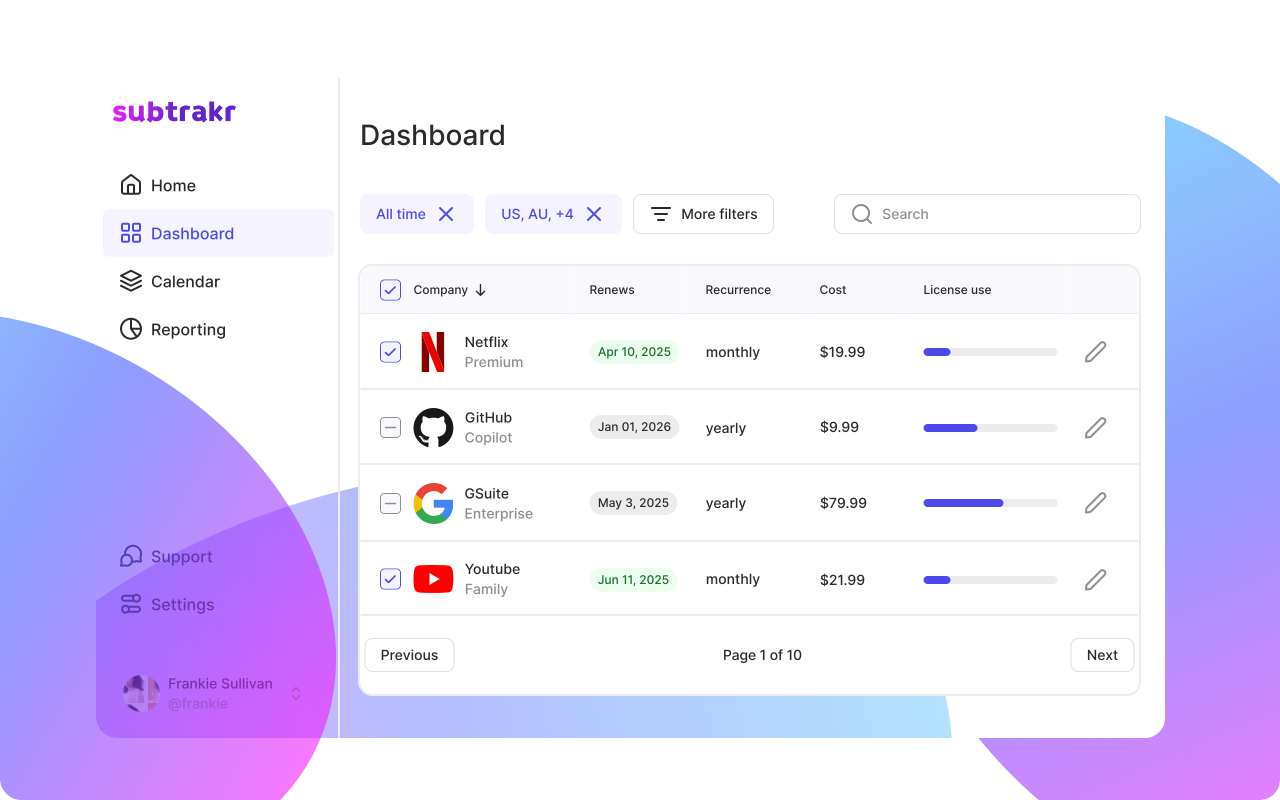
If you already track tools in Subtrakr, add the Accountable name next to each subscription so ownership is as visible as the price.