Quick answer
With a bit of research and a polite request, you can save hundreds of dollars a year on recurring bills. Many customers save $20–$50 monthly through negotiation – $240–$600 annually. Your most powerful tool is already in your hand: your phone.
Figure: A savvy customer calling their service provider to negotiate a better rate on a monthly bill. With a bit of research and a polite request, you can save hundreds of dollars a year on recurring bills that many people simply accept as fixed costs. In fact, many customers save $20–$50 on their monthly bills through negotiation – adding up to $240–$600 annually. It turns out the most powerful tool to fight back against rising bills is something you already have: your phone. Why keep overpaying if a simple call could put money back in your pocket?
Stay Updated with Subtrakr
Sign up to our newsletter to get updates about Subtrakr and valuable insights about subscriptions and recurring expense management.
Why You Should Negotiate Recurring Bills
Even small increases in monthly charges add up over time. Companies often count on customers not noticing incremental price hikes. Negotiating your bills is a quick way to push back against these increases and ensure you're paying a fair price. Nothing to lose: if you aren't able to score a discount, you're no worse off – but many who try do succeed in lowering their bills. We've even seen dramatic results: one customer managed to negotiate their internet bill down by 50% without downgrading their plan. The bottom line is clear: if you ask, there's a good chance your provider will work with you to keep your business.
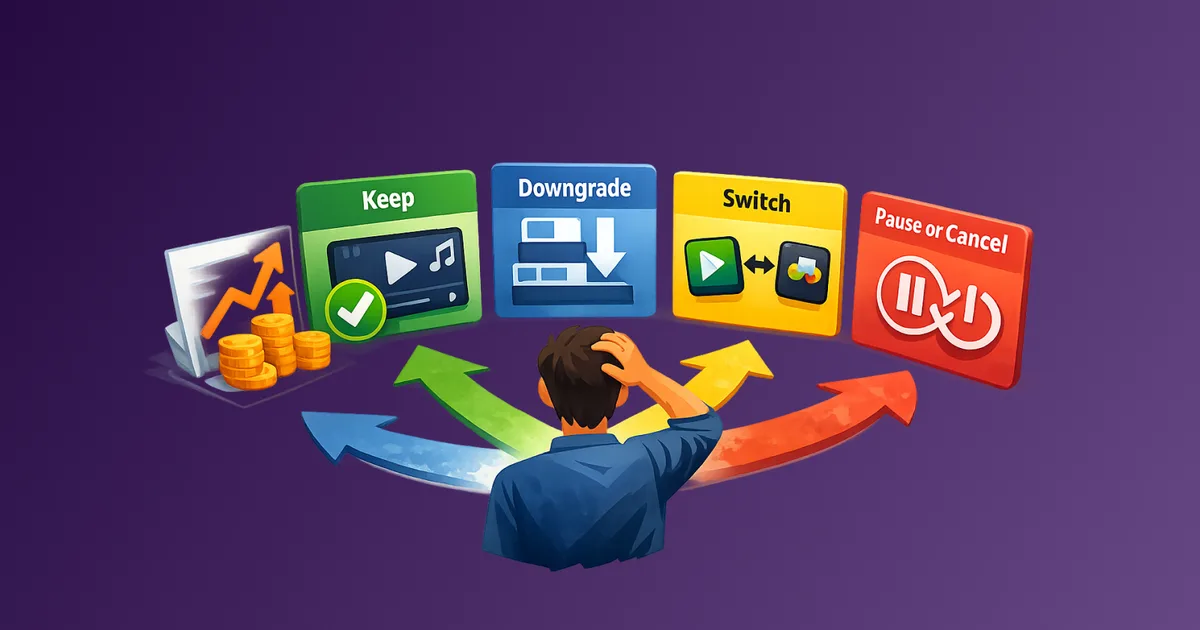
For a broader decision framework before negotiation (keep, downgrade, switch, or pause), see What to Do When a Subscription Price Increases: Keep, Downgrade, Switch, or Pause.
Negotiation is one tactical stage in a larger system. Subscription Management in 2026: The Complete Guide covers the full workflow—inventory, tracking, renewal reminders, quarterly audits, and when to negotiate, downgrade, or cancel—so you run retention calls at the right moment, not in isolation.
Fun fact: Companies often reserve the best deals for attracting new customers, but existing customers can get those deals too if they ask. Providers know it's cheaper to retain you than find a new customer, so use that to your advantage. In the sections below, we'll cover step-by-step negotiation strategies and specific tips for various bills – from cable and internet to insurance and even your gym membership. Let's dive into the art of negotiating your recurring bills 🤝💵!
Step 1: Do Your Research and Prepare
Successful negotiations start before you contact your provider. Preparation is key. Begin by gathering details on your current account and researching market rates:
Review Your Account: Pull up your latest bill and note your account number, current charges, and any recent increases. Check how long you've been a customer and your payment history (e.g. have you always paid on time?). Jot down any service issues you've had, like outages or errors, which can strengthen your case.
Research Competing Offers: Look up current offers from your provider for new customers, as well as deals from competitors in your area. This is your leverage. For example, if a rival company offers the same service for $30 less, you can cite that price. Document at least two specific competitor deals (price, speed or coverage, contract terms, etc.) – concrete details carry weight in negotiations.
Set a Target: Decide on a realistic goal for the call. Do you want a 20% cut in the monthly rate? Removal of an unnecessary fee? Maybe matching a competitor's promotional price? Having a specific ask ("I'm hoping to save $20 a month") helps guide the conversation.
By going in armed with information – your customer history and current market prices – you position yourself as a knowledgeable, valued customer seeking a fair deal. As one financial guide puts it, "Prepare your contract, payment history, and today's public offers; ask for the retention department to access the best deals". Preparation gives you confidence and evidence to back up your request.
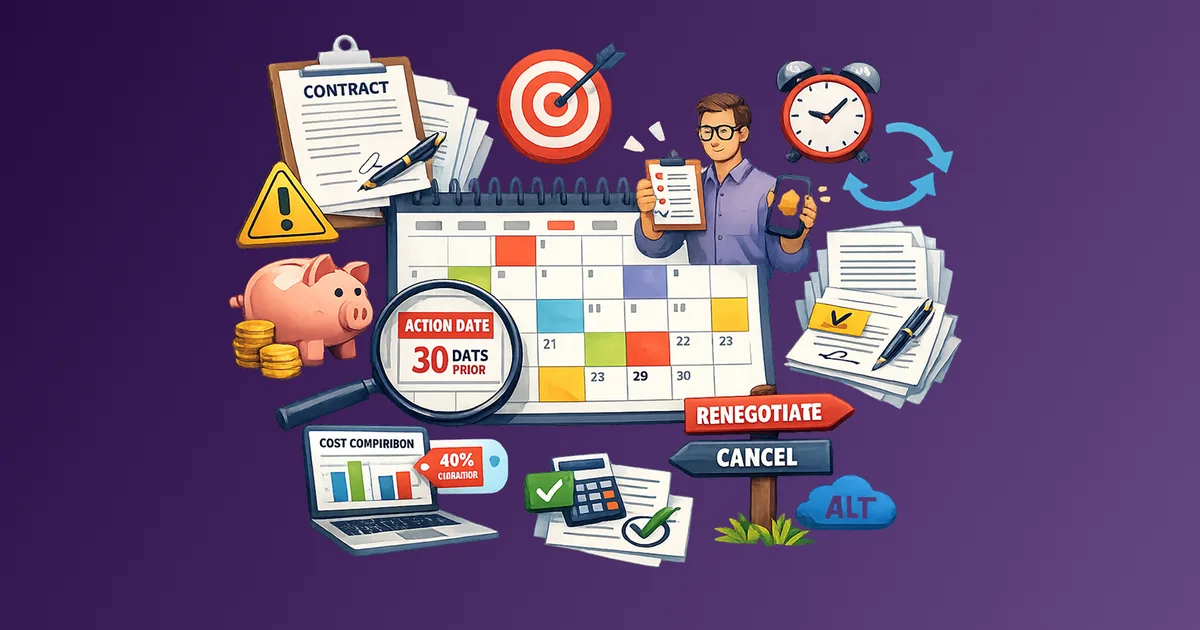
For vendor and SaaS contract renewals, that preparation starts earlier: renewal dates, notice windows, owners, and a calculated action date are what create real negotiating leverage instead of scrambling after auto-renew. SaaS Renewal Calendar: Build One and Never Miss a Renegotiation Window is the prerequisite step for that layer. Drop the prep into The Renewal Negotiation Brief Template so spend targets and workflow risk sit on one page before the vendor call.
Step 2: Contact Customer Service (Politely but Firmly)
Once you've done your homework, it's time to reach out. Call your service provider's customer support (phone tends to be more effective than email or chat for negotiations). When you get a representative on the line, remember to be polite yet assertive:
Mind Your Tone: You don't need to go in "with guns blazing" or make threats right off the bat. In fact, customer service reps are more willing to help if you're friendly and respectful. Clearly state your concern about the bill and your desire to find a better rate, but do so calmly. For example: "I noticed my bill went up to XXX, which doesn't work for my budget. I love the service, but I'm hoping you can help reduce the cost." Reiterate your loyalty (if applicable) and mention you've been happy with them but need a more affordable arrangement.
Use Your Research: Introduce the competitor or new-customer offers you found. "I've been a customer for 3 years and I see new customers can get this same package for $80, whereas I'm paying $120. I'd prefer to stay with you – can you match that rate for me?" This shows them you're an informed consumer. Companies take such requests seriously when you cite specific alternatives ("Competitor X offers 300 Mbps for $40, can you do something similar?") rather than vague complaints.
Stay Courteous but Firm: Being pleasant is key, but so is being persistent. If the rep's first offer is just a token discount (or none at all), don't hesitate to politely push back. Phrases like "Is that the best you can do?" or "I was hoping for a bit more savings" can encourage the rep to check again for better discounts. Sometimes, companies have multiple tiers of discounts, and reps only give a bigger break if you ask twice.
Throughout the call, maintain a tone that is friendly yet determined. As one playbook on lowering bills advises, "Be polite but firm: stay friendly but confident. Customer service reps are more likely to help pleasant customers." You want the agent on your side, willing to advocate for you. By the end of this initial conversation, you may already receive a worthwhile offer – but if not, don't worry, there are more steps you can take.
Step 3: Leverage the Loyalty (Retention) Department
If the first-line support rep cannot (or will not) offer a satisfactory discount, it's time to escalate gracefully. Ask for the customer retention or loyalty department – this is the team specifically empowered to offer deals to keep you from canceling. In many cases, the front-line rep might even suggest transferring you to retention when they realize you're serious about a better price.
Why retention? These specialists have authority to provide significant discounts, credits, or promotional rates that regular agents might not. Retention departments exist to prevent cancellations, so they often can match competitor prices or extend "new customer" deals to existing customers. When you reach retention, calmly restate your case: you enjoy the service but the cost is an issue and you're considering other options. Emphasize you'd prefer to stay if they can find a way to make it worthwhile for you. This is often the point where the company will pull out a loyalty offer: e.g. a discounted rate for the next 12 months, a one-time credit, or an upgrade at no extra cost.
Pro Tip: If you don't succeed at first, call back later and speak to a different representative, or politely ask for a supervisor. Another rep might have more experience or flexibility to get you a deal. Persistence pays off – what one agent can't do, another often can.
Step 4: Be Ready to Walk Away (Use Cancellation as Leverage)
Ultimately, your strongest bargaining chip is the option to cancel the service and switch to a competitor. Companies know this, and they really don't want to lose a paying customer. If you've tried the above steps and still aren't getting a meaningful discount, you might need to (gently) play the cancellation card:
Express Willingness to Cancel: You can say something like, "I'm sorry, but if we can't find a better rate, I may have to cancel and go with [Competitor]." Sometimes, even hinting at cancellation triggers a better offer. Other times, you might follow through by asking them to initiate the cancellation process (you can always stop it if you change your mind). This tactic shows you mean business.
Real-World Example: One Reddit user shared how they told their internet provider they were ready to cancel, and it prompted the company to slash the bill from $70 to $40 per month for a year. The provider initially offered a small discount, but when faced with losing the customer, they came back with a much lower price to match the customer's target.
Don't Bluff Needlessly: Only use this approach if you are genuinely prepared to switch or cancel. Empty threats can backfire if the company calls your bluff. But if you do have another viable option lined up (thanks to your research), then asking for cancellation is a powerful last resort. As one guide notes, the best leverage is being ready to cancel or switch providers – loyalty doesn't always pay.
Companies often prefer to give you a better deal rather than lose you altogether. For instance, on a $120/month cable & internet bundle, providers would typically rather knock $10–$40 off the monthly price to keep you, instead of seeing you walk away. They know that a small revenue reduction beats the cost of acquiring a new customer to replace you. Use that knowledge to your advantage.
Figure: Many subscription services – from cable packages to gym memberships – will negotiate if you mention competitor prices or that you might cancel. You hold more power than you think as a paying customer. Remember, "if they won't budge, you can always threaten to cancel" to see if that changes the offer. Just the act of scheduling a cancellation (with the option to retract it later) often triggers retention offers from some providers. Stay calm and firm through this "dance" – it's a negotiation tactic, not a personal confrontation.
Step 5: Seal the Deal – Get Confirmation in Writing
Once you succeed in securing a discount or better deal, congratulations! Before you celebrate, make sure to get the details confirmed so you don't run into surprises later:
Ask for Written Confirmation: Have the rep email you the details of the new offer or plan they've applied. At minimum, note down the representative's name, the date, and exactly what was promised (e.g. "$85/month for 12 months, no contract, same service level"). This paper trail will be invaluable if the changes don't show up correctly on your bill.
Review Your Next Bills: Don't assume everything will be correct. When the next month's bill arrives, check that the new rate or credits are applied as agreed. If not, call back and reference your notes or confirmation email to have them fix it.
Mark Your Calendar: If your new rate is a promotional period (common for negotiated deals), set a reminder for a few weeks before it expires. That's your cue to call again and renegotiate or ensure you don't revert to a high rate. In fact, many experts suggest making bill negotiation an annual habit. Companies frequently roll out new promotions, and a yearly check-in call can keep your rates in line with the best offers.
By following up diligently, you ensure your hard-won savings actually materialize and persist. One article likens it to being the "squeaky wheel" – the worst that happens if you ask is you get no new deal, but the best that happens could be saving a small fortune over time.
Now that we've covered the general negotiation process, let's look at specific recurring bills and any special strategies for each.
Negotiating Different Types of Bills
Not all bills are created equal. Some services have more competition or more wiggle room in their pricing, which makes them easier to negotiate. Below are tips for a few common bills that people often successfully negotiate:
Cable & Internet Bills
Why: Cable TV and home internet services are notorious for promotional pricing that jumps after the first year. The good news is these are very negotiable because you often have one or two competitors (like another cable company, fiber provider, or satellite service) vying for your business. Providers know you can switch if they don't offer a fair price.
How to Negotiate: Call your cable/internet company and let them know you're looking to lower your bill. Use lines like: "I've been a customer for X years, but my rate is higher than what X competitor offers. I'd like to stay if you can match or beat that price." Reference any new-customer promotions your provider itself is advertising, too – ask if they can extend that deal to you as an existing customer. If the first rep can't help, ask for the retention department (they typically have the authority to apply big loyalty discounts).
Example: A subscriber noticed their internet bill creeping up and took action. They researched competitor deals, then called their ISP. The rep transferred them to the loyalty team, and by politely asking "Is there anything you can do to keep me as a customer?", they were offered a 50% reduction in their monthly internet rate – from about $60 down to $30, for the exact same plan! This shows what's possible if you inquire.
Additional Tips: Make sure you're not paying for services you don't use. For instance, if you're renting a router or cable box, sometimes buying your own equipment can save the rental fee (ask if they offer a discount for using your own modem). Also, if you don't watch cable much, consider downgrading to a smaller channel package or internet-only plan. The representative might point out such options during the "account review" if you invite them to check where you can save. Finally, be aware of timing: some people find calling at off-peak times (mid-morning weekdays) or near the end of a billing quarter can yield more flexible agents who have quotas to meet – your mileage may vary, but it can't hurt to try.
Mobile Phone Plans
Why: The cell phone market is highly competitive, and carriers constantly offer juicy deals (like device discounts or lower rates) to lure customers. If you've been with the same mobile provider for a while, there's a good chance new customers are getting a better rate or more data for the price than you are.
How to Negotiate: Use a similar approach: call your mobile carrier's customer service and explain that you're looking to lower your bill. Mention that "I see you're offering new customers an unlimited plan for $X, which is less than I'm paying now. I've been a loyal customer for Y years – is there a way for me to get a better rate as well?". Carriers often have retention deals (like bonus data, fee waivers, or special loyalty plans) but you have to ask. If you have competing offers (say, another carrier will give you the same plan for $20 less), share that information and politely state that you may switch if you can't get a comparable deal. As always, being courteous yet firm works best.
Optimize Your Plan: Negotiation isn't just about haggling the price – it's also about ensuring you have the right plan. Double-check your usage: are you paying for unlimited data or extra lines you don't need? If so, downgrading to a more appropriate plan can save money without even needing a discount. Conversely, if you're on an old plan, the carrier might have a new plan that offers more for less. One strategy is to call and say, "I'm reviewing my plan to make sure I'm getting the best value. Can you look if there's a plan or promotion that would lower my cost?" Often, they'll find a current deal or bundle that you can switch to. For example, a single user paying $75/month might move to a family or shared plan and pay $55/month for the same service level – saving about $240 per year.
Loyalty Perks: If simply asking doesn't yield anything, consider if you're eligible for any special discounts. Some carriers give discounts for employer affiliations, military service, students, or paperless billing. While these might not be "negotiated" in the moment, it's worth asking the rep to review if all applicable discounts are on your account. And just like with internet service, if the frontline rep can't help, escalate to a supervisor or retention team and explain you're ready to explore other carriers. They may come back with a retention offer (like a temporary bill credit or promotional rate) once they realize you're on the fence about staying.
Insurance Premiums (Auto/Home Insurance)
Why: Insurance companies raise rates for all sorts of reasons (industry costs, claims in your area, etc.), but as a consumer you have the power to shop around. Insurers know that policyholders can and do switch to save money – especially on auto and homeowner's insurance. While insurance pricing can be complex, you absolutely can call your insurer and negotiate indirectly by asking for discounts or a rate review. They won't usually cut your existing rate out of the blue, but if you present a competitor's lower quote or newfound discounts, they often respond to keep your business.
How to Negotiate: When your policy comes up for renewal (or even mid-term), call up your insurance agent or the company's customer service. Explain that you're reviewing your insurance costs and have found a better rate elsewhere for similar coverage. For example: "I'm paying $1,200 a year for auto insurance with you, but I got a quote from XYZ Insurance for comparable coverage at $1,000. I'd prefer not to switch if I don't have to – can you recheck my policy to see if there are any discounts or adjustments that could lower my premium?"
Often, this prompts the insurer to look for loyalty discounts or missing savings on your account. Be sure to ask about common discounts they offer, such as: multi-policy bundling (home + auto with the same company), safe driving or safety feature discounts (e.g. anti-theft device, airbags), good student discounts (for young drivers), professional or alumni association rates, defensive driving courses, and paying in full or via autopay. You might be surprised – insurers have a long list of potential discounts, and you may not be getting all the ones you qualify for. By specifically inquiring, you remind them to apply those if they haven't. Also, mention your long tenure or perfect payment record if applicable; insurers do value customer loyalty and sometimes have retention departments similar to cable companies.
If your current insurer can't or won't budge after all that, it may be time to actually switch to that lower-cost competitor. Many people save a lot by re-shopping their insurance every few years. But give your insurer a chance to match or beat the competitor's offer before you leave – they might surprise you with a price match or additional loyalty credit once you're truly ready to cancel. As with other bills, the key is that you have options, and companies know it.
Gym Memberships
Why: Gym memberships are a classic example of a negotiable recurring expense. Gyms would rather keep a member (even at a slightly lower rate) than lose them to a rival gym, because competition is fierce – there are likely several fitness centers or class studios near you. If your gym fees have gone up, or you feel you're overpaying, it's worth trying to negotiate, especially if you're no longer under a long-term contract.
How to Negotiate: Start by researching what other gyms in your area charge and what promotions they offer new members. Also check if your current gym is advertising a sign-up special. Then, talk to the manager or membership department at your gym. Explain that you're considering canceling because of the cost, and mention that "Gym B is offering a similar membership for $X less". Ask politely if they can match the competitor's price or offer any discount to keep you as a member. Often, gyms have some flexibility – they might reduce your monthly rate, waive the annual fees, or throw in extra services.
If a direct price cut isn't on the table, negotiate for perks. For instance, see if they'll include a few personal training sessions, guest passes for friends, or access to premium facilities at no extra charge. These have value and effectively save you money. One tip: timing can help. Gyms often have end-of-month or end-of-quarter targets, so negotiating near those times could make them more inclined to deal. Also, if your gym membership is month-to-month, you have more leverage – you can genuinely cancel and switch if they won't work with you. As personal finance advisors often say, "If they don't budge, you can always cancel – you have other options." Many people find that simply asking yields a surprise discount on gym dues. And if not, there's likely a better offer waiting for you elsewhere or in a new-customer promo at the same gym.
Note: Always be courteous when negotiating with your gym; the staff likely has some discretion, but being aggressive won't help. By showing that you value the facility but are budget-conscious, you invite them to find a win-win solution (they keep a member, you save money).
Final Tips: Make Negotiation a Habit
Negotiating your recurring bills is one of those small habits that can lead to big savings over time. It might feel uncomfortable at first – many of us aren't used to haggling for our cable or insurance. But remember, you're simply asking for a fair deal, and companies expect to have these conversations. In fact, one finance columnist recommends calling up your providers at least once a year to review your rates. Prices and promotions change constantly, and a 5-minute call could save you a lot on your annual budget.
A few parting tips to keep in mind:
Bundle and Save: If you have multiple services with one provider (e.g. internet, TV, and phone; or multiple insurance policies), ask about bundle discounts. Sometimes leveraging one service against another can prompt a better overall rate.
Use Bill Negotiation Apps Cautiously: There are apps and services that will negotiate bills on your behalf, but they often take a hefty cut of the savings as a fee. Since negotiating isn't usually that hard, you might as well save 100% of the money by doing it yourself with the strategies above.
Track Your Wins: Keep a simple spreadsheet or note of how much you've reduced each bill. It's motivating to see the monthly and yearly savings add up across all your subscriptions. Those savings can be redirected to an emergency fund or other financial goals.
Don't Be Afraid to Switch: If a company won't negotiate at all and you do have a better option, it's okay to change providers. Loyalty is admirable, but not if it's costing you extra every month. Often, switching for a year and then switching back to your original provider (to take advantage of new customer deals) is a cycle people use to keep costs low.
Finally – challenge yourself to negotiate at least one bill this coming week. Maybe it's your cable, maybe your cell phone, or even your trash collection service. You might be surprised at the result. As the saying goes, "the squeaky wheel gets the grease" – if you speak up, you're likely to get something, because most people simply never ask.
Now over to you: What bill are you inspired to negotiate next? With the tips and scripts from this guide, you have the tools to potentially save hundreds. A few minutes of effort could lead to a lower rate and some extra cash in your pocket every month. Happy negotiating, and don't forget to share your success stories (or questions) in the comments!
Sources
- Payactiv – Negotiating Bills: Scripts for Lowering Your Monthly Expenses
- Finhabits – Save Money on Bills: A Practical Guide to Negotiate and Reduce Your Monthly Expenses (2025)
- Reddit user pfcthrow22 – Personal experience negotiating 50% off internet bill
- CompareInternet – Internet Bill Negotiation Scripts That Actually Work
- San Francisco Chronicle – J. Roy, "The sneakiest way to cut your bills…", Oct 12, 2025